Analytics-Driven Pricing: The Role of Player Data in Online Casino Deal Valuations

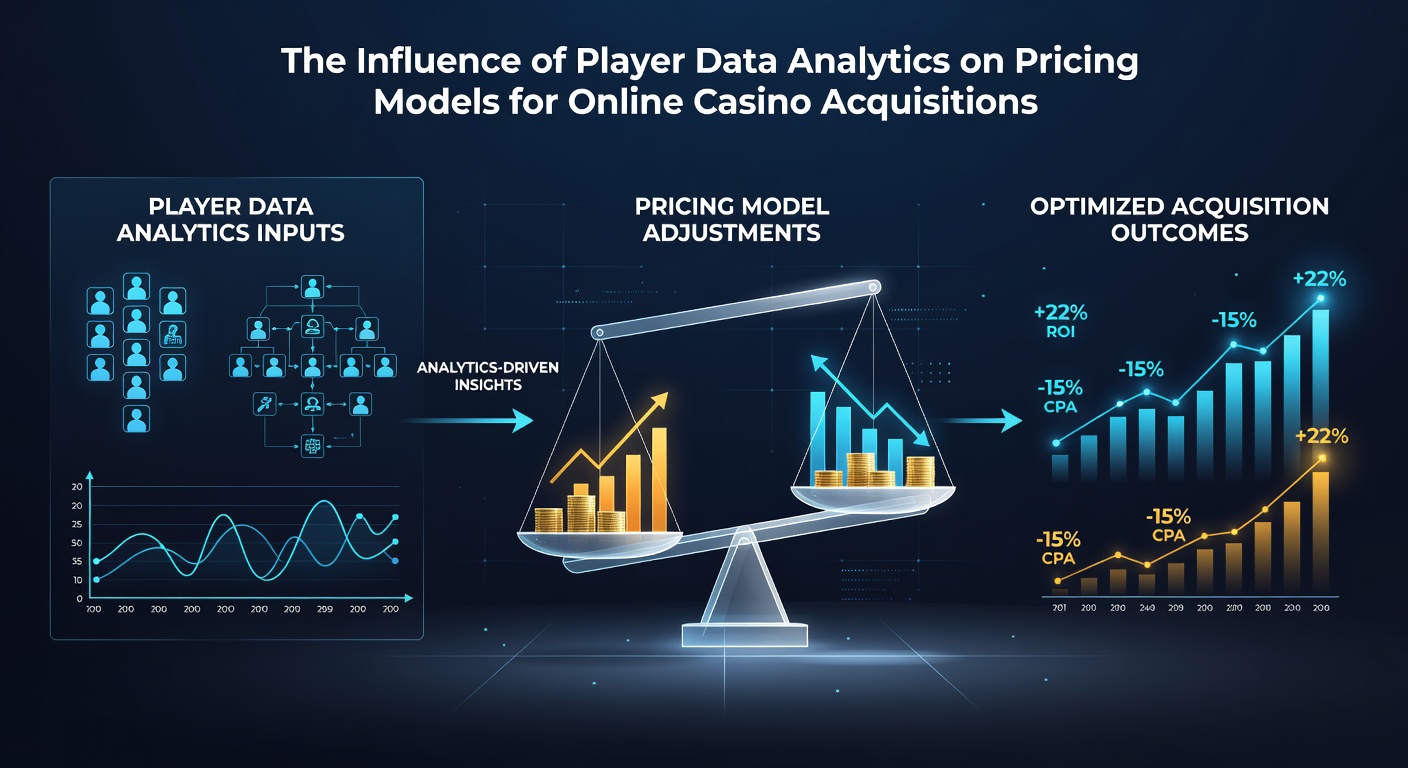
Player data analytics now sits at the center of how buyers and sellers calculate prices during online casino acquisitions, with detailed metrics on user behavior, spending patterns, and retention rates directly feeding into valuation formulas. Acquisition teams examine datasets that include average revenue per user, session frequency, and lifetime value projections, then adjust offer prices accordingly before finalizing transfers. This approach replaced earlier methods that relied mainly on traffic estimates and domain age, because raw player statistics provide clearer signals about ongoing revenue potential once the site changes hands.
Key Metrics That Feed Pricing Models
Analysts track several core indicators when they prepare pricing models for casino site sales. Player lifetime value calculations combine deposit history, withdrawal patterns, and game preference data to estimate how much each account might generate over the next 12 to 24 months. Churn rates, measured as the percentage of users who stop playing within a given period, help buyers forecast future revenue decay and set lower price ceilings when retention numbers look weak. Engagement depth, recorded through metrics such as average session length and games played per visit, influences multipliers applied to base revenue figures during negotiations.
Research from the University of Nevada, Las Vegas International Gaming Institute shows that casinos with player lifetime values above industry medians command premiums of 15 to 30 percent over sites with similar traffic but lower per-user spending. Those findings emerged from a review of transaction records spanning multiple jurisdictions, and they continue to guide deal structures in 2026.
Integration of Real-Time Dashboards in Deal Processes
During acquisition due diligence, specialized software platforms now pull anonymized player data directly from backend databases to generate live valuation reports. These dashboards display cohort analysis, geographic distribution of active accounts, and bonus redemption efficiency, all of which feed into discounted cash flow models that determine final purchase prices. Sellers who maintain clean, well-segmented datasets often complete transactions faster because buyers can verify revenue claims without extended audits.
One documented transaction in early 2026 involved a mid-sized casino network whose acquisition price rose after analysts confirmed that 42 percent of its player base returned at least once per week. The verification came from aggregated session logs rather than self-reported figures, and the buyer adjusted its initial offer upward by several hundred thousand dollars once the data passed review.
Regional Regulatory Influences on Data Usage
Regulatory frameworks in different markets shape how much player data can legally transfer during acquisitions. In Ontario, the Alcohol and Gaming Commission requires operators to maintain records that support responsible gambling measures, and those same records often become part of valuation packages when sites change ownership. Australian state regulators, including the New South Wales Independent Liquor and Gaming Authority, mandate reporting on player harm minimization, which in turn affects how buyers assess long-term compliance costs and adjust pricing models downward if risk indicators appear elevated.
European operators follow data protection rules under the General Data Protection Regulation, so analytics teams strip personal identifiers before sharing datasets with potential acquirers. This process adds steps to due diligence but also protects both parties from liability issues that could otherwise delay or derail transactions.
Case Examples of Analytics Affecting Final Prices
Take one North American operator that acquired a European-facing casino site in March 2026. The buyer used cohort retention curves generated from the previous 18 months of play data to negotiate a 12 percent reduction from the seller's asking price after identifying a sharp drop-off among users acquired through a single affiliate channel. The adjustment reflected projected revenue shortfalls rather than any change in headline traffic numbers.
Another transaction, completed in Canada during the same quarter, saw the price increase after third-party auditors confirmed that the site's mobile player segment showed 28 percent higher average bet sizes than desktop users. The analytics report highlighted this split through device-specific segmentation, and the seller leveraged the finding to strengthen its position at the negotiating table.
Future Outlook Through Mid-2026
By June 2026, several platforms had introduced predictive models that combine historical player data with macroeconomic indicators to forecast acquisition values under different regulatory scenarios. These tools allow buyers to simulate price impacts from potential tax changes or new responsible gambling requirements before submitting offers. Industry observers note that platforms using such forward-looking analytics close deals with fewer post-sale disputes because both sides share a common understanding of expected performance.
Data from the American Gaming Association indicates that sites sold with comprehensive player analytics packages achieved average closing prices 22 percent higher than comparable assets sold without detailed user metrics during the first half of 2026. The difference stems from reduced uncertainty rather than any inherent superiority of the underlying businesses.
Conclusion
Player data analytics have become a standard component of pricing models for online casino acquisitions because they supply measurable evidence of revenue sustainability and risk factors. Metrics such as lifetime value, churn, and engagement depth translate directly into adjusted offer prices, while regulatory requirements in multiple jurisdictions dictate how that data can be shared and verified. Transactions completed through June 2026 demonstrate that buyers and sellers who rely on transparent analytics reach agreements more efficiently and with fewer adjustments after closing. As datasets grow more granular and predictive tools advance, these methods will continue to define how market participants calculate the worth of casino assets during ownership transfers.