Auditing the Core: How Backend Reviews Shape Pricing for Gambling Affiliate Portfolios

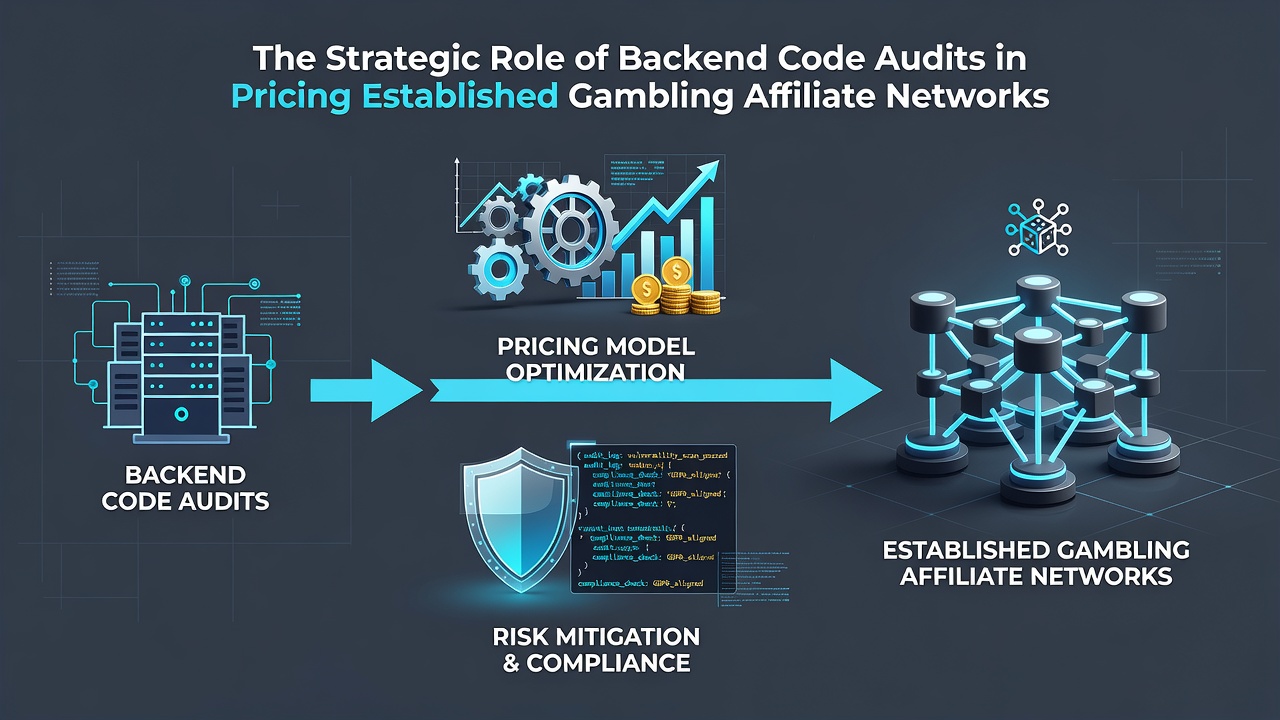
Established gambling affiliate networks rely on complex backend systems that track referrals, manage payouts, and integrate with multiple operators, and these systems directly influence how buyers assess value during acquisitions. Backend code audits examine the underlying scripts, database structures, API connections, and security protocols that keep these networks running, revealing both strengths and hidden liabilities that affect final sale prices.
Core Components Reviewed in Backend Audits
Auditors focus on tracking accuracy first, since affiliate commissions depend on precise user attribution across desktop, mobile, and app channels, and any discrepancies in cookie handling or server-side logging can reduce reported revenue by substantial margins. Database schemas come under scrutiny next because legacy tables often contain duplicated entries or outdated indexing that slows query performance during high-traffic periods such as major sporting events. API integrations with operators and payment processors receive equal attention, as outdated endpoints create compliance gaps when regulators update data-sharing requirements.
Security protocols form another critical layer, with auditors checking encryption standards, access controls, and vulnerability patches that protect sensitive player data flowing through affiliate platforms. In July 2026 several European operators began enforcing stricter token-authentication rules across affiliate partnerships, prompting buyers to request fresh audit reports before finalizing deals.
Impact on Valuation Metrics
Networks with clean audit results command higher multiples because buyers see lower integration costs and reduced legal exposure after purchase. Data from the European Gaming and Betting Association shows that platforms passing full backend reviews sold at an average 18 percent premium compared with similar networks that carried unresolved code issues during the same period. Conversely, networks flagged for weak encryption or incomplete tracking logs often face price reductions that reflect the expense of post-acquisition remediation work.
Observers note that revenue consistency becomes easier to verify once auditors confirm that referral data matches operator reports without manual adjustments. This verification process shortens due-diligence timelines and allows sellers to present more reliable EBITDA figures during negotiations.
Common Issues Uncovered and Their Pricing Effects
Duplicate tracking scripts frequently appear in older networks that expanded through multiple acquisitions without consolidating codebases, leading buyers to discount offers by the estimated cost of merging systems. Outdated PHP or JavaScript libraries create another common problem because they expose platforms to known exploits and force new owners to allocate budget for upgrades before scaling operations. Incomplete logging of user consent preferences has surfaced in several recent transactions, triggering price adjustments when auditors discover that data-retention policies fall short of current standards set by Canadian provincial regulators.
One study from a North American gaming technology research group found that networks requiring more than 120 developer hours to reach compliance after purchase experienced valuation drops ranging from 12 to 25 percent depending on network size. These adjustments reflect both direct repair costs and the opportunity cost of delayed marketing campaigns while fixes are implemented.
Strategic Timing of Audits During Transactions
Sellers who commission independent audits several months before listing their networks gain leverage because they can address findings proactively and present results as part of marketing materials. Buyers, meanwhile, often request their own follow-up reviews to confirm that no material changes occurred between the initial audit and closing date. This two-step approach has become standard in larger deals where affiliate portfolios exceed 50 active operator partnerships.
Market data indicates that transactions completed in the first half of 2026 moved 30 percent faster when both parties shared audit summaries early in negotiations, reducing the back-and-forth that typically extends exclusivity periods. Shorter timelines preserve momentum and lower the risk that external factors such as regulatory announcements will alter deal terms before signatures are exchanged.
Conclusion
Backend code audits have evolved from optional technical checks into central elements of pricing strategy for established gambling affiliate networks. Accurate documentation of tracking integrity, security posture, and integration health allows both buyers and sellers to arrive at valuations grounded in measurable facts rather than assumptions. As regulatory frameworks continue to tighten across multiple jurisdictions, the role of these audits in supporting transparent, defensible pricing will likely expand further in coming years.