Backend Systems Determining Market Values for Ready-to-Operate Gambling Platforms
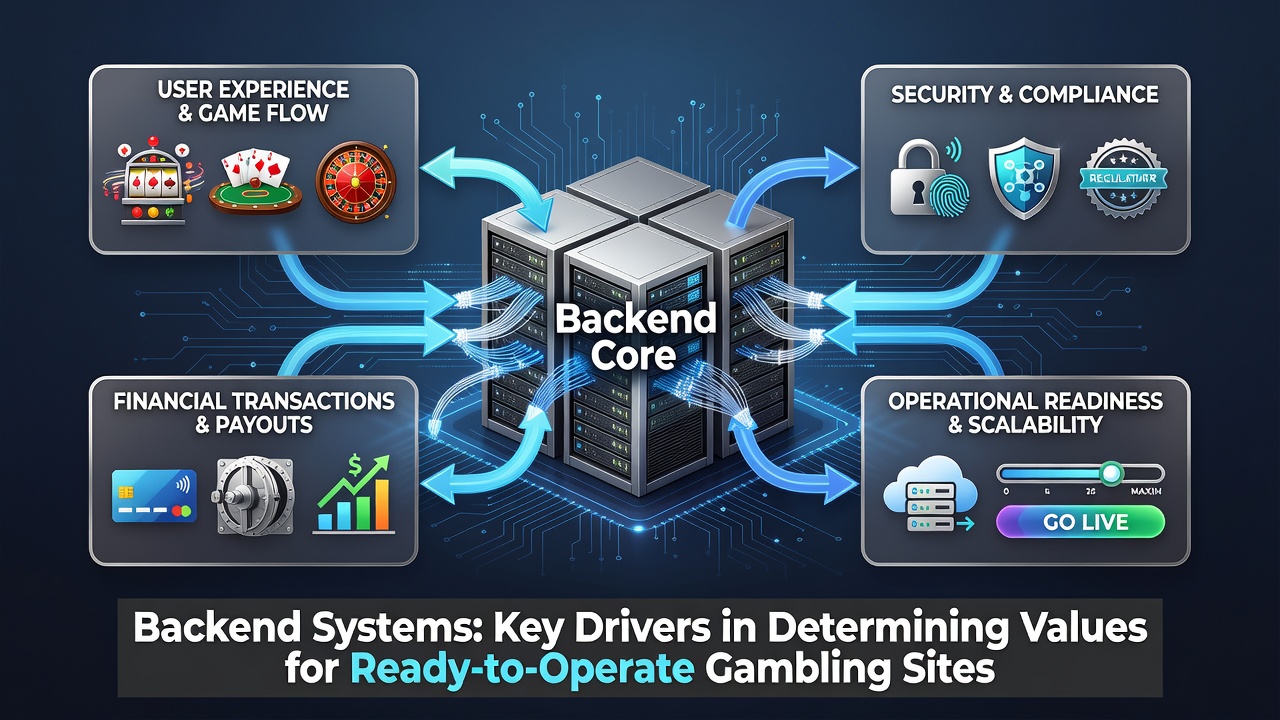 Backend architectures form the foundation that shapes pricing structures during acquisitions of fully functional gambling platforms. Industry observers track how database management systems, server configurations, and API layers contribute to overall platform worth because buyers evaluate these elements for long-term operational viability. Data from transaction records shows that platforms with robust backend frameworks command premiums ranging from 25 to 40 percent compared to those with outdated code structures. Scalability stands out as a primary factor because operators require systems that handle peak traffic during major sporting events or promotional campaigns. Researchers at the University of Nevada Reno documented how modular backend designs allow seamless expansion without full platform overhauls, which reduces future capital expenditures for new owners. Those who've examined acquisition deals note that such flexibility often accelerates negotiations and finalizes higher sale prices. Security protocols embedded in the backend also influence buyer assessments. Encryption standards, fraud detection algorithms, and access control mechanisms protect against breaches that could lead to regulatory penalties. According to reports from the Nevada Gaming Control Board, platforms incorporating real-time monitoring tools demonstrate lower incident rates, which translates directly into elevated valuations during due diligence reviews.
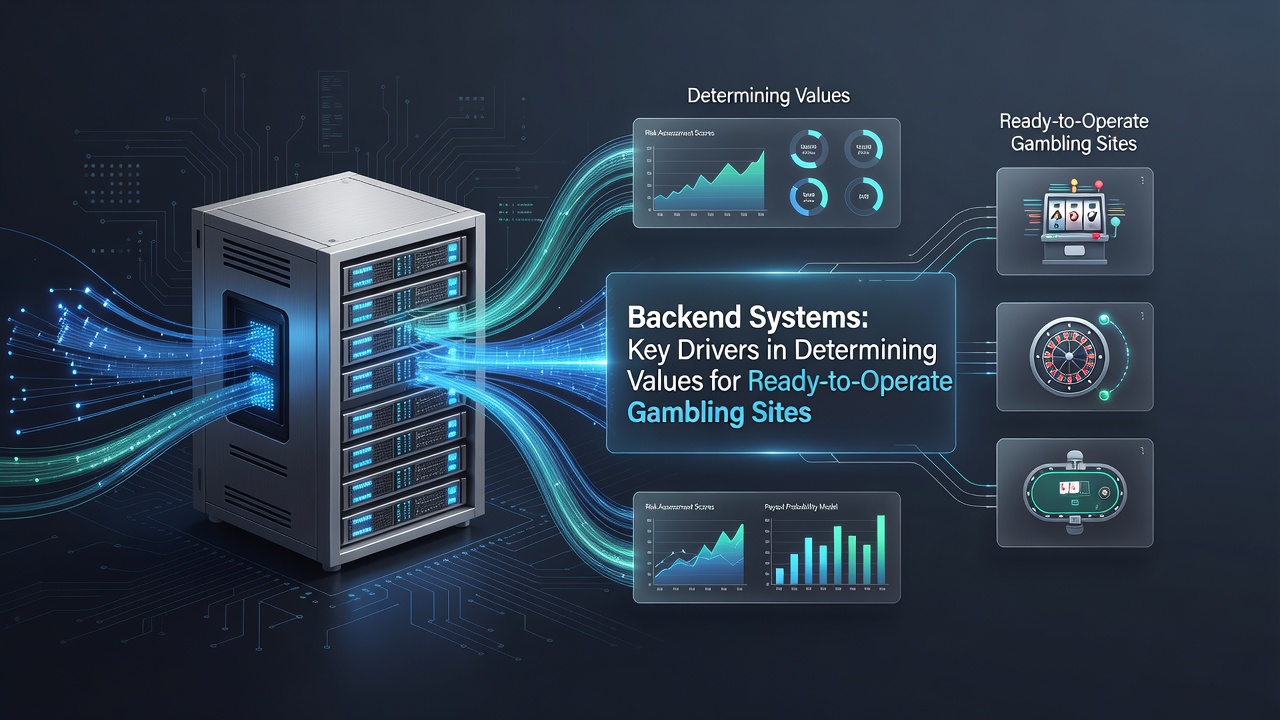 Regulatory alignment further ties backend features to platform pricing because jurisdictions impose specific technical standards for responsible gambling tools and transaction auditing. Reports from the Australian Communications and Media Authority highlight how platforms built with configurable compliance modules adapt faster to rule changes, which minimizes downtime risks for acquirers. In June 2026, updates to international data protection frameworks are expected to emphasize audit trail requirements, prompting buyers to prioritize backends that already support granular logging without additional development work. Take one acquisition where experts found that legacy systems lacking modern encryption delayed the transfer by several months while the seller upgraded components to meet buyer standards. Such delays increase holding costs and reduce net proceeds, which underscores why sellers invest in backend modernization prior to listing platforms for sale. The ball remains in the court of platform developers to maintain codebases that align with evolving technical expectations across regions. What's interesting is how vendor support ecosystems around backend technologies affect resale potential. Platforms built on widely adopted frameworks attract larger pools of potential buyers because skilled personnel remain available for post-acquisition management. Industry associations like the European Gaming and Betting Association compile data showing that documented code with active community contributions correlates with faster integration into larger operator portfolios.
Backend architectures form the foundation that shapes pricing structures during acquisitions of fully functional gambling platforms. Industry observers track how database management systems, server configurations, and API layers contribute to overall platform worth because buyers evaluate these elements for long-term operational viability. Data from transaction records shows that platforms with robust backend frameworks command premiums ranging from 25 to 40 percent compared to those with outdated code structures. Scalability stands out as a primary factor because operators require systems that handle peak traffic during major sporting events or promotional campaigns. Researchers at the University of Nevada Reno documented how modular backend designs allow seamless expansion without full platform overhauls, which reduces future capital expenditures for new owners. Those who've examined acquisition deals note that such flexibility often accelerates negotiations and finalizes higher sale prices. Security protocols embedded in the backend also influence buyer assessments. Encryption standards, fraud detection algorithms, and access control mechanisms protect against breaches that could lead to regulatory penalties. According to reports from the Nevada Gaming Control Board, platforms incorporating real-time monitoring tools demonstrate lower incident rates, which translates directly into elevated valuations during due diligence reviews.Integration with External Services
Payment gateways, player management databases, and third-party analytics tools connect through backend interfaces that determine operational efficiency. Experts have observed that well-documented codebases facilitate quicker onboarding of new payment providers, which proves essential when markets shift toward alternative currencies or regional banking requirements. A case study involving a North American operator revealed that platforms with standardized API documentation closed deals 15 percent faster than competitors lacking such preparation. Maintenance overhead represents another valuation driver because ongoing server costs and update cycles affect profitability margins. Figures reveal that optimized backend systems using containerization technologies lower annual operational expenses by streamlining deployment processes. Buyers conduct audits to quantify these savings, and platforms demonstrating predictable maintenance schedules receive more favorable financing terms from lenders involved in the transaction.Data Processing Capabilities
Analytics engines housed in backend layers provide insights into player behavior, revenue streams, and risk patterns that inform strategic decisions. Studies indicate that platforms equipped with advanced data pipelines enable operators to refine loyalty programs and adjust game offerings based on empirical evidence rather than assumptions. Those who review transaction histories find that comprehensive logging features add measurable value because they support compliance reporting across multiple jurisdictions.
Regulatory alignment further ties backend features to platform pricing because jurisdictions impose specific technical standards for responsible gambling tools and transaction auditing. Reports from the Australian Communications and Media Authority highlight how platforms built with configurable compliance modules adapt faster to rule changes, which minimizes downtime risks for acquirers. In June 2026, updates to international data protection frameworks are expected to emphasize audit trail requirements, prompting buyers to prioritize backends that already support granular logging without additional development work. Take one acquisition where experts found that legacy systems lacking modern encryption delayed the transfer by several months while the seller upgraded components to meet buyer standards. Such delays increase holding costs and reduce net proceeds, which underscores why sellers invest in backend modernization prior to listing platforms for sale. The ball remains in the court of platform developers to maintain codebases that align with evolving technical expectations across regions. What's interesting is how vendor support ecosystems around backend technologies affect resale potential. Platforms built on widely adopted frameworks attract larger pools of potential buyers because skilled personnel remain available for post-acquisition management. Industry associations like the European Gaming and Betting Association compile data showing that documented code with active community contributions correlates with faster integration into larger operator portfolios.