Code Dependencies and Valuation Frameworks in iGaming Platform Transfers

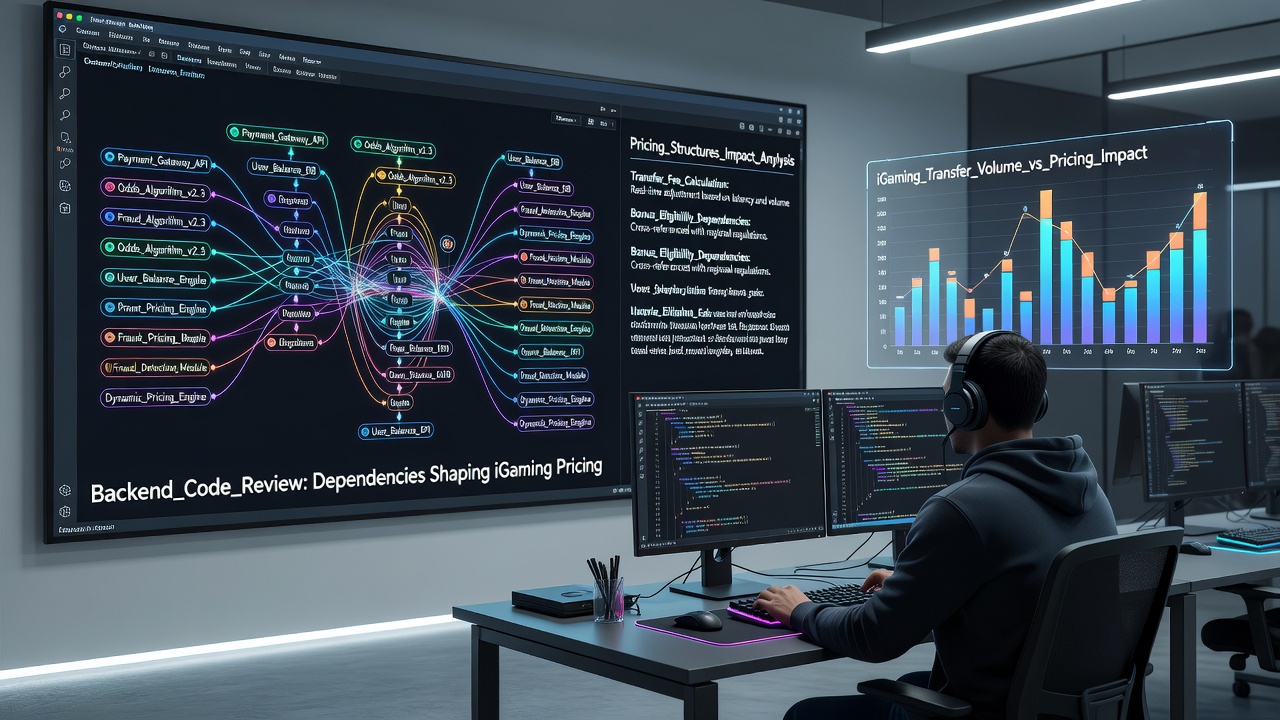
Backend code dependencies often determine how buyers calculate final transfer prices for iGaming platforms because these hidden connections influence maintenance costs, scalability limits, and integration timelines. Platform sellers who document their code structures thoroughly can command higher multiples, while undisclosed dependencies frequently trigger price reductions during due diligence. Data from recent industry analyses shows that platforms with tightly coupled legacy modules sell for 15 to 25 percent less than comparable systems built on modular architectures.
Payment gateway integrations represent one of the most visible dependency layers that affect pricing. When a platform relies on custom APIs tied to specific processors, buyers must budget for potential rewrites if those processors alter their terms or exit certain markets. Research indicates that platforms using standardized, well-documented payment libraries attract broader buyer pools and close at steadier valuations because the transition risk remains lower.
Dependency Mapping and Its Effect on Negotiation Leverage
Buyers routinely commission code audits that trace every third-party library, database connection, and microservice linkage before finalizing offers. These audits reveal whether core game engines depend on outdated frameworks that no longer receive security patches, which can shift the entire pricing discussion. Observers note that platforms running on current, actively maintained dependencies command premiums because future compliance updates cost less and carry lower operational risk.
Third-party analytics and player-tracking services create another pricing variable. When these services embed deeply into the backend, replacing them requires substantial development hours that buyers factor into their bids. Platforms that isolate such services behind clear abstraction layers tend to retain higher values because migration work stays predictable and contained.
Regulatory Compliance Layers and Code Architecture
Compliance modules tied to player verification, responsible gaming controls, and transaction monitoring frequently shape transfer pricing because regulators in multiple jurisdictions require ongoing certification. In July 2026 several North American and European frameworks introduced stricter audit trails for bonus logic and RNG certification, forcing some platforms to refactor code before buyers would proceed. Sellers who already maintained flexible compliance layers avoided these last-minute adjustments and preserved their original asking prices.
Scalability dependencies also factor into valuation models. Platforms whose backend code scales horizontally through container orchestration sell at higher multiples than those locked into monolithic servers. Data shows that horizontal scaling capability reduces projected infrastructure expenses after transfer, which directly supports stronger negotiation positions for sellers.
Case Examples from Recent Transfers
One documented transfer involved a sportsbook platform whose odds engine depended on a single external data feed provider. The buyer identified this single point of failure during due diligence and negotiated a 12 percent reduction to cover potential feed diversification costs. Another transaction featured a casino platform built with cleanly separated game providers and payment processors, which closed at the full listed price after a shorter audit period because dependency risks stayed minimal.
Academic studies on software maintainability, including work published by research teams at institutions tracking enterprise systems, confirm that loosely coupled architectures correlate with faster post-acquisition integration and lower total cost of ownership. These findings align with observed pricing patterns in iGaming transfers where modular designs consistently outperform tightly integrated legacy systems on final sale figures.
Industry Data and External Benchmarks
Figures from regulatory bodies such as the Alcohol and Gaming Commission of Ontario reveal that platforms with documented, auditable codebases experience fewer post-transfer compliance delays. Similar patterns appear in reports issued by Australian state regulators, where transparent dependency documentation shortens approval timelines and supports smoother ownership changes.
Industry associations tracking M&A activity have begun publishing aggregated data on valuation adjustments tied to technical debt. These reports show that platforms carrying high dependency risk see average price concessions of 18 percent, while those with clear modular boundaries maintain or exceed initial offers.
Conclusion
Backend code dependencies continue to serve as primary drivers in iGaming platform pricing because they directly affect post-transfer costs, compliance timelines, and operational flexibility. Buyers who invest in thorough dependency mapping secure more accurate valuations, while sellers who maintain modular, well-documented architectures position their platforms for stronger outcomes. As regulatory requirements evolve and integration demands increase, the relationship between code structure and transfer pricing will likely remain central to how platforms change hands.