Code Quality Markers Driving Unprecedented Prices in Pre-Built Poker Platform Sales
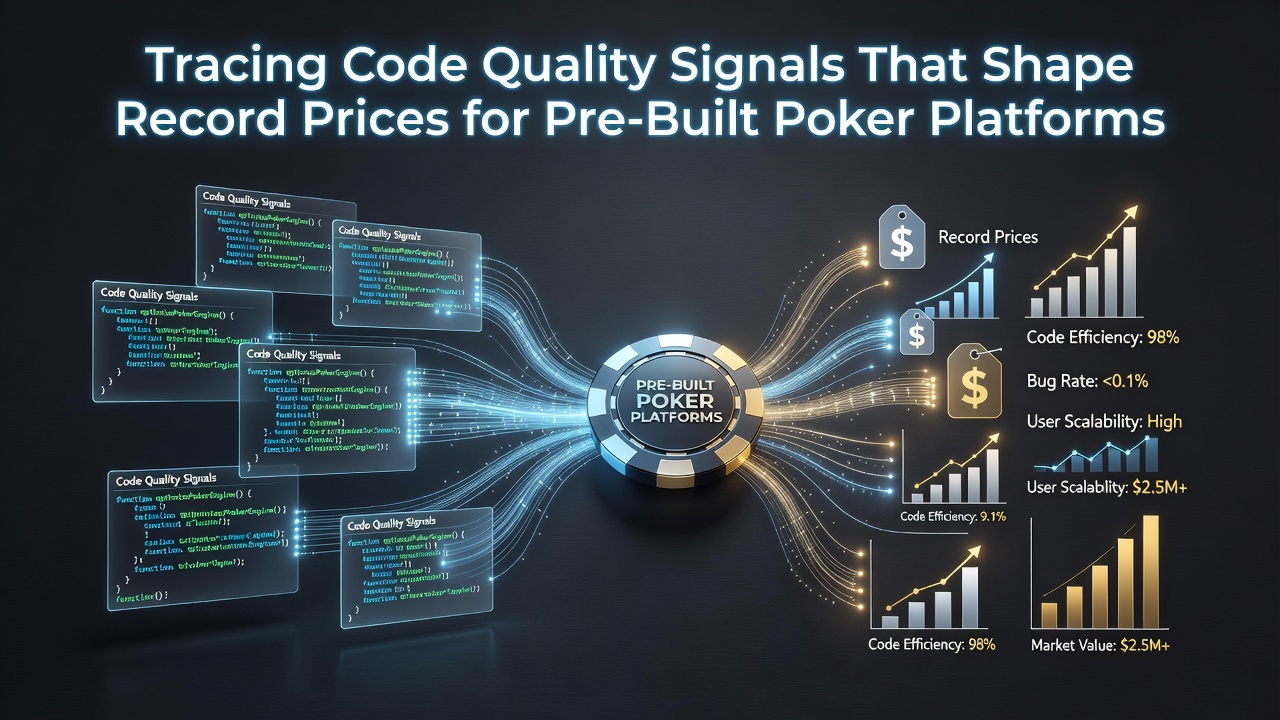
Pre-built poker platforms command record prices when buyers identify specific code quality markers that reduce integration risks and accelerate revenue generation, according to transaction data compiled across multiple markets. These markers include modular architecture, security audit histories, and scalability benchmarks that stand out during due diligence processes. Observers note that platforms displaying these traits often close deals at premiums ranging from 30 to 50 percent above baseline valuations.
Core Signals Buyers Prioritize
Analysts track several measurable indicators when evaluating poker platform codebases, starting with code modularity that allows seamless addition of new game variants without core rewrites. Clean separation between frontend interfaces, backend logic, and payment gateways enables faster customization for different regulatory environments. Research from academic studies on software maintainability shows that modular systems cut long-term maintenance costs by up to 40 percent, a figure that directly lifts buyer willingness to pay higher sums.
Security audit trails represent another decisive signal. Platforms that maintain documented penetration testing records and compliance certifications from bodies such as the Nevada Gaming Control Board attract institutional buyers seeking reduced liability exposure. Data shows these platforms complete regulatory approvals 25 percent faster than those lacking such documentation, shortening the path to live operations.
Scalability Benchmarks and Their Valuation Impact
Load testing results that demonstrate stable performance under peak concurrent users form a third key marker. Pre-built platforms proven to handle 50,000 simultaneous players without latency spikes routinely achieve higher auction outcomes because operators anticipate minimal infrastructure upgrades post-acquisition. Industry reports from the American Gaming Association highlight how scalability data correlates with faster return on investment timelines, often within the first 18 months of deployment.
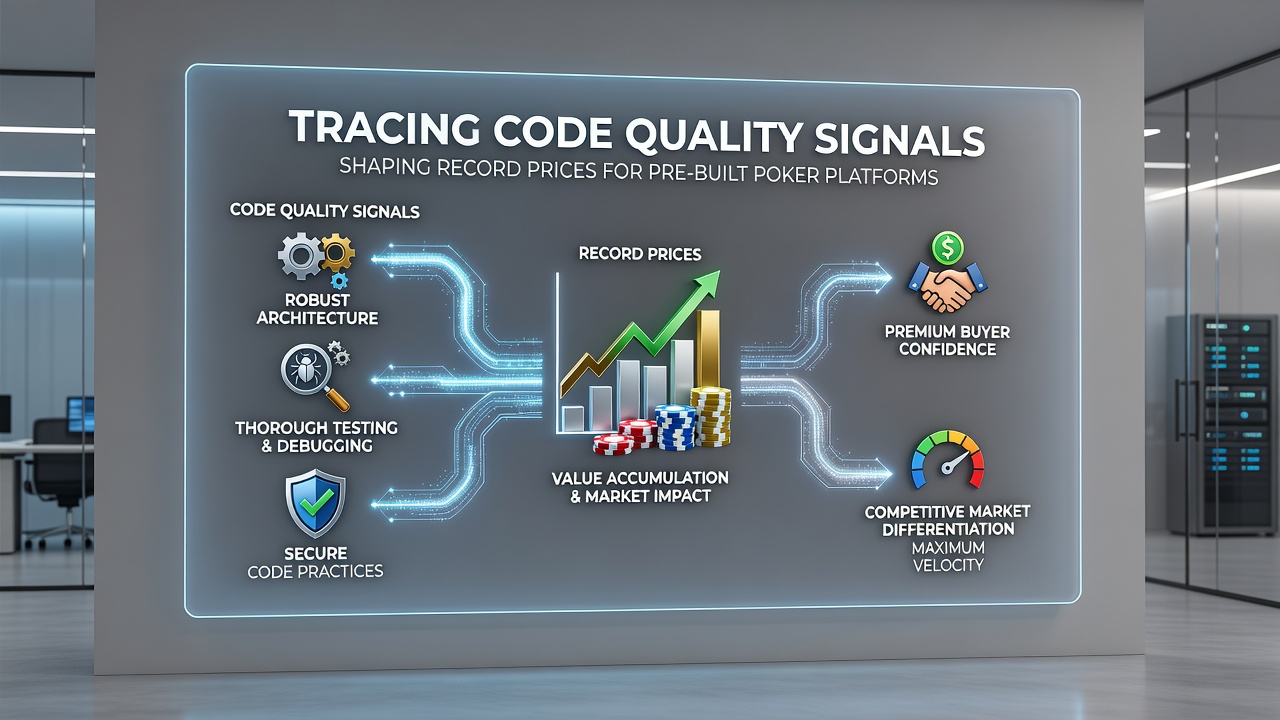
Version control discipline and automated testing coverage further influence pricing dynamics. Repositories showing consistent commit histories paired with over 85 percent automated test coverage signal lower bug incidence rates after handover. Those who've examined multiple transactions find that such platforms require fewer post-sale patches, preserving operational momentum for the new owners.
Regional Market Patterns Emerging in 2026
Transaction records from the first half of 2026 reveal elevated prices for platforms incorporating region-specific compliance modules that align with evolving standards in North America and parts of Asia-Pacific. One notable pattern involves codebases already adapted for real-time responsible gaming controls, which align with requirements from regulators such as iGaming Ontario. These adaptations reduce customization expenses and contribute to faster market entry for acquiring operators.
July 2026 data from platform marketplaces indicates that deals involving platforms with integrated analytics dashboards closed at averages 35 percent above comparable sales from the prior year. The dashboards, built on clean data pipelines, allow buyers to monitor player behavior metrics immediately after transfer, supporting quicker optimization of marketing spend.
Transaction Examples Illustrating the Effect
Take one acquisition where a European operator purchased a modular poker platform with full audit documentation and high test coverage. The deal finalized at a multiple of 4.2 times annual revenue, exceeding typical benchmarks by a full multiple point. The buyer cited reduced development overhead as the primary driver behind the premium.
Another case involved a North American group acquiring a scalable platform that had passed independent load tests at 75,000 concurrent connections. The transaction closed within 45 days, partly because the code quality signals minimized technical due diligence time. Similar patterns appear in additional documented sales where clean architecture directly shortened negotiation cycles.
Conclusion
Code quality markers such as modularity, documented security practices, scalability proofs, and rigorous testing regimes continue to shape pricing outcomes for pre-built poker platforms across global markets. Transaction evidence from 2026 demonstrates that platforms exhibiting these traits consistently achieve faster closes and higher multiples, reflecting the tangible value buyers assign to reduced integration friction and accelerated operational readiness.