Cross-Border Transfers of Digital Casino Ownership Structures
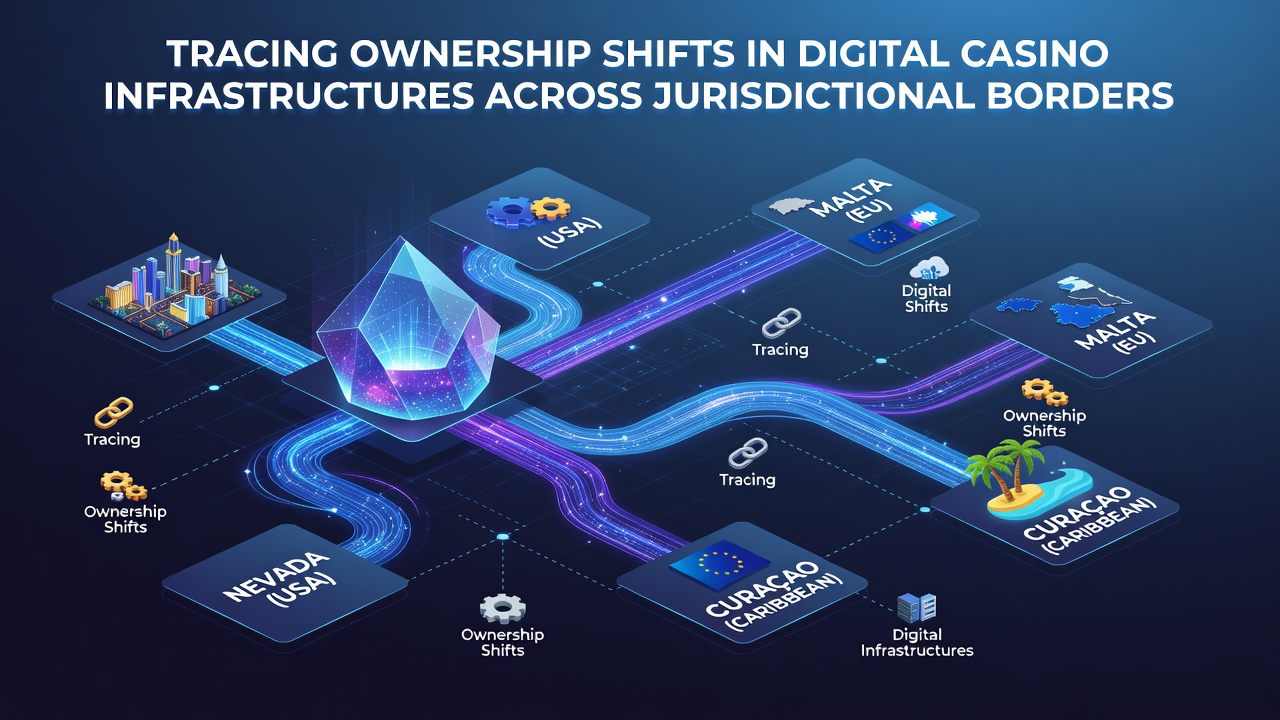
Digital casino platforms change hands across national lines with increasing frequency, and ownership records often span multiple regulatory environments at once. Companies register subsidiaries in one jurisdiction while servers operate in another, and holding entities sit in a third, creating layered structures that require careful mapping to understand who controls what.
Observers track these movements through licensing filings, corporate disclosures, and securities reports that surface when public companies adjust their portfolios. Data from regulatory submissions shows patterns where operators based in Malta or Gibraltar acquire assets originally licensed in the Caribbean, then restructure them under new parent companies registered elsewhere.
Regulatory Frameworks Shape Ownership Visibility
Jurisdictions impose different disclosure rules that affect how much outsiders can see during transfers. The Nevada Gaming Control Board maintains detailed ownership approval processes for any entity holding more than five percent of a licensed operation, while other regions require only basic shareholder lists. These differences create gaps that complicate full tracing, yet they also generate public documents that analysts combine across borders.
Canadian provinces such as Ontario publish transfer approvals through iGaming Ontario, and those records sometimes reference parent companies located in Europe or the United States. Researchers cross-reference these filings with stock exchange announcements to build clearer pictures of control chains.
Documented Ownership Movements in Recent Years
One transaction involved a platform originally licensed in Curacao that moved under a new holding company in Cyprus after an acquisition by a European gaming group. The deal required approvals from both the original licensing authority and the acquiring company's home regulator, producing paperwork that listed intermediate entities in two additional countries.
Another case saw an Australian-facing site shift majority ownership to a Canadian investment fund, prompting fresh licensing reviews in both nations. Reports filed with the Australian Communications and Media Authority outlined the new board structure and funding sources, while Ontario regulators examined the fund's compliance history before granting continued operation rights.

Figures released by industry research groups indicate that roughly 35 percent of major platform transfers between 2023 and 2025 involved at least three jurisdictions in the ownership chain. The same studies note that average completion times for cross-border deals stretched to 14 months when multiple licensing bodies conducted parallel reviews.
Tools and Methods for Tracking Changes
Analysts rely on blockchain analytics when platforms accept cryptocurrency, since wallet addresses sometimes link to known corporate entities. Corporate registry searches across dozens of countries supplement these efforts, although access speeds and data formats vary widely. Professional services firms maintain databases that aggregate license status changes and director appointments from multiple regulators.
Academic papers from institutions studying gambling policy have examined how ownership concentration affects market competition in smaller jurisdictions. One report compiled by a European university consortium reviewed 120 platform transfers and found recurring use of intermediate holding companies in low-tax zones.
Operational and Compliance Consequences
Operators must notify each affected regulator when beneficial ownership crosses certain thresholds, and failure to do so can trigger license reviews or temporary suspensions. Systems that once ran under a single license sometimes require new certifications after ownership changes, particularly when the new parent operates in a jurisdiction with stricter technical standards.
Payment processors and game suppliers also monitor ownership shifts because their own contracts often contain change-of-control clauses. These clauses activate when upstream ownership moves, forcing renegotiations that can affect platform functionality during transition periods.
Developments Entering Mid-2026
By July 2026 several pending transfers involving platforms with users in multiple continents are expected to conclude, according to statements from involved companies. Regulators in at least four jurisdictions have signaled they will publish consolidated guidance on required disclosure formats for multi-border deals, aiming to reduce duplication in filings.
Conclusion
Tracing ownership across borders remains a fragmented process that depends on combining records from separate regulatory systems. Public documents, licensing databases, and corporate filings together provide the clearest available picture, though gaps persist where disclosure rules differ. As platforms continue to expand their geographic reach, the number of transfers requiring coordinated approvals across multiple authorities will likely grow.