Database Dynamics: Assessing Player Loyalty Value Amid Gambling Platform Sales
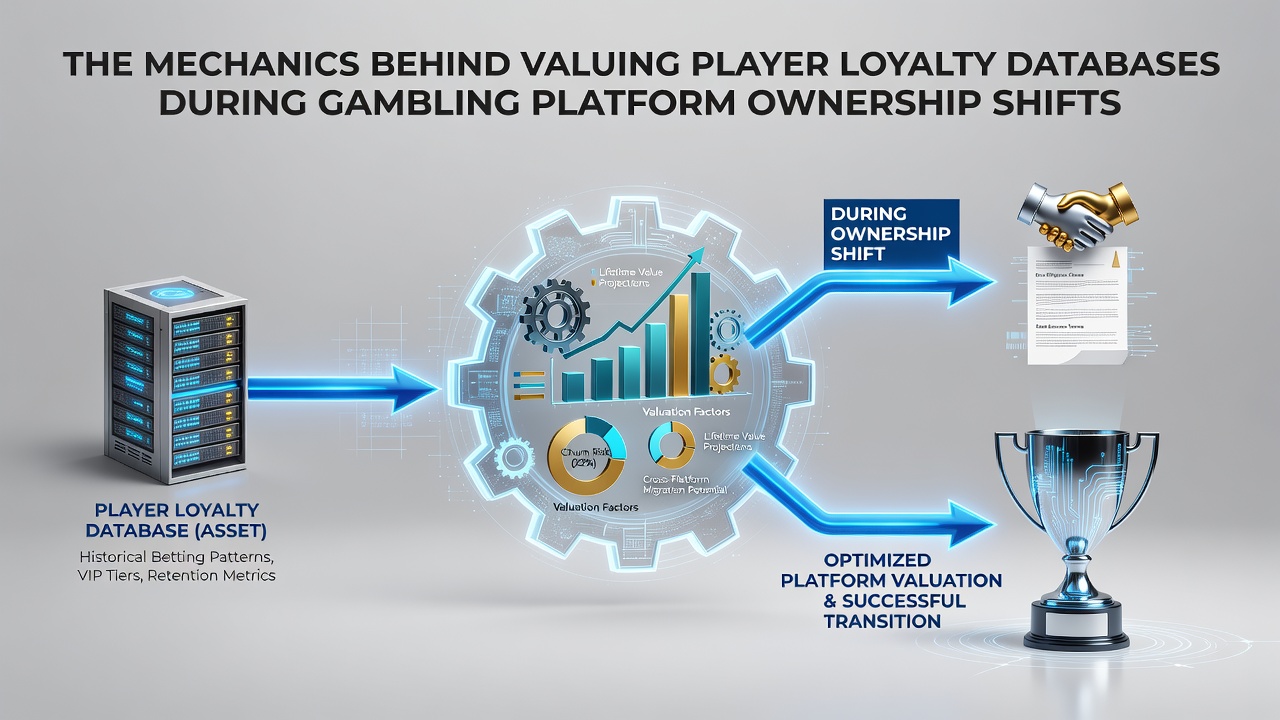
Player loyalty databases represent structured collections of user activity records, deposit histories, and engagement patterns that operators maintain across online gambling platforms, and these assets often factor directly into transaction pricing when ownership changes hands. Buyers examine retention curves, average revenue per user figures, and segmentation breakdowns to project future cash flows, while sellers prepare documentation that demonstrates compliance with data protection standards across jurisdictions.
Core Components of Loyalty Data Valuation
Valuation models rely on several measurable inputs that include lifetime value calculations derived from historical play patterns, churn probability scores based on recency and frequency metrics, and cohort analysis that groups players by acquisition channel or game preference. These elements combine through discounted cash flow projections where expected revenue streams undergo adjustments for attrition rates and regulatory caps on marketing spend. Data quality audits verify completeness of fields such as age verification timestamps, payment method diversity, and responsible gaming flags, since incomplete records reduce assigned worth during due diligence.
Ownership shifts trigger detailed reviews of database portability under prevailing privacy regulations, which require explicit consent trails and anonymization protocols before transfer. Platforms operating in multiple markets must reconcile differing rules on data residency, and this process influences both timeline and final pricing because delays in regulatory clearance can erode projected synergies.
Due Diligence Processes in Platform Transfers
Acquirers typically engage specialized auditors to sample transaction logs and cross-reference them against bonus abuse indicators or multi-account detection systems. These reviews produce risk-adjusted valuations that discount segments showing elevated fraud exposure or low engagement velocity. Integration planning follows, with technical teams assessing compatibility between legacy CRM systems and new backend architectures to estimate migration costs that subtract from headline figures.
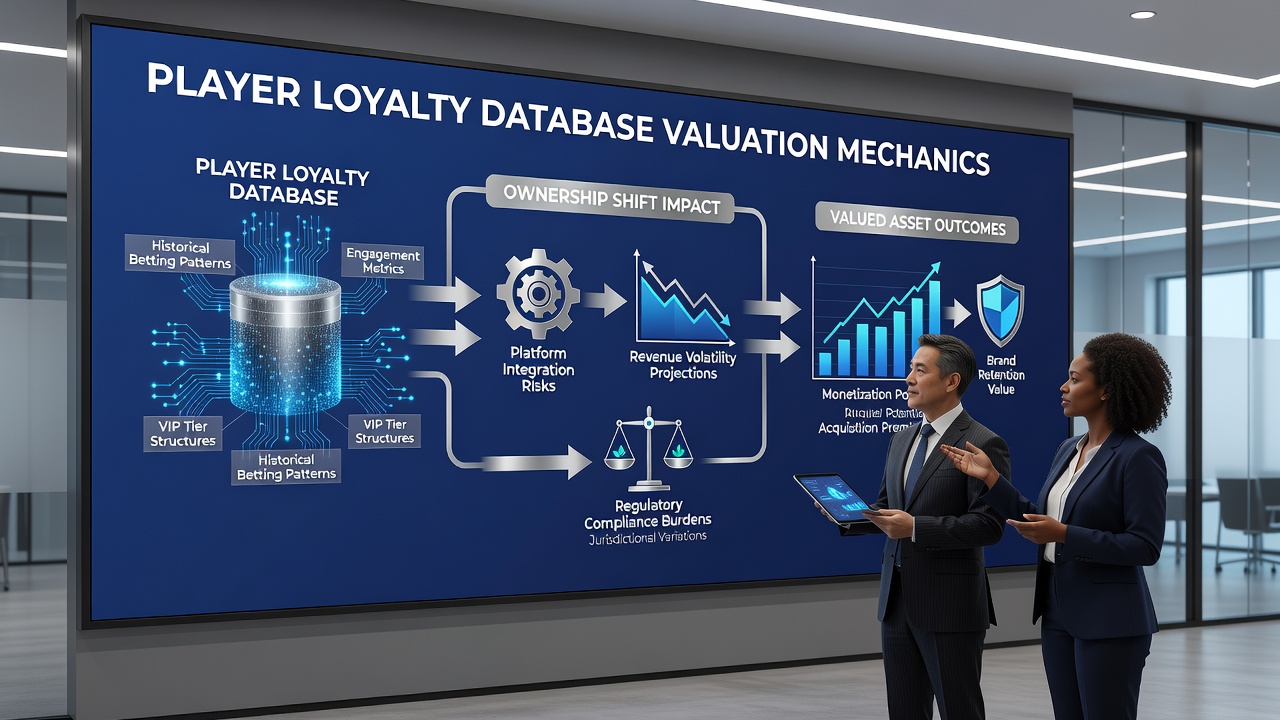
Market data from June 2026 indicates that platforms with segmented loyalty tiers and documented reactivation success rates commanded premiums of 15 to 25 percent over comparable assets lacking granular player insights, according to aggregated transaction filings reviewed by industry analysts. Such differentials arise because retained high-value cohorts reduce customer acquisition cost burdens for incoming operators.
Regulatory and Compliance Influences
Authorities in Nevada and several Australian states require notification of database transfers when player counts exceed defined thresholds, and these filings include summaries of age-gating mechanisms plus self-exclusion list integrations. Non-compliance findings during this stage have postponed closings by weeks or months, thereby affecting earn-out structures tied to post-transfer performance. Observers note that operators maintaining separate data processing agreements with third-party analytics providers often achieve smoother transitions because liability chains remain clearly delineated.
Academic research from institutions tracking gambling economics highlights correlations between database freshness and post-acquisition revenue stability, particularly when platforms refresh consent records within the preceding twelve months. These studies emphasize quantitative thresholds for minimum active player percentages that support stable valuation multiples.
Practical Examples from Recent Transactions
One documented case involved a European-facing sportsbook where loyalty records for 180,000 accounts underwent third-party scoring on deposit frequency and withdrawal velocity, resulting in a negotiated adjustment that lowered the purchase price by an amount equivalent to projected six-month reactivation spend. Another transfer in the Canadian market featured a database containing tiered reward program details, and the buyer applied uplift factors after confirming integration with existing loyalty APIs reduced onboarding friction.
Those who monitor these deals report that escrow arrangements frequently withhold portions of consideration until post-migration audits confirm data integrity and absence of undisclosed compliance issues. This mechanism protects against subsequent regulatory actions that could restrict player communication or require remediation campaigns.
Conclusion
Player loyalty database valuation during ownership transitions rests on verifiable metrics, regulatory alignment, and technical feasibility assessments that together determine final transaction economics. As platforms consolidate across borders, standardized approaches to data scoring and portability continue to shape how these intangible assets contribute to overall deal value.