Decoding Corporate Layers in Licensed Betting Portfolios via Official Disclosures
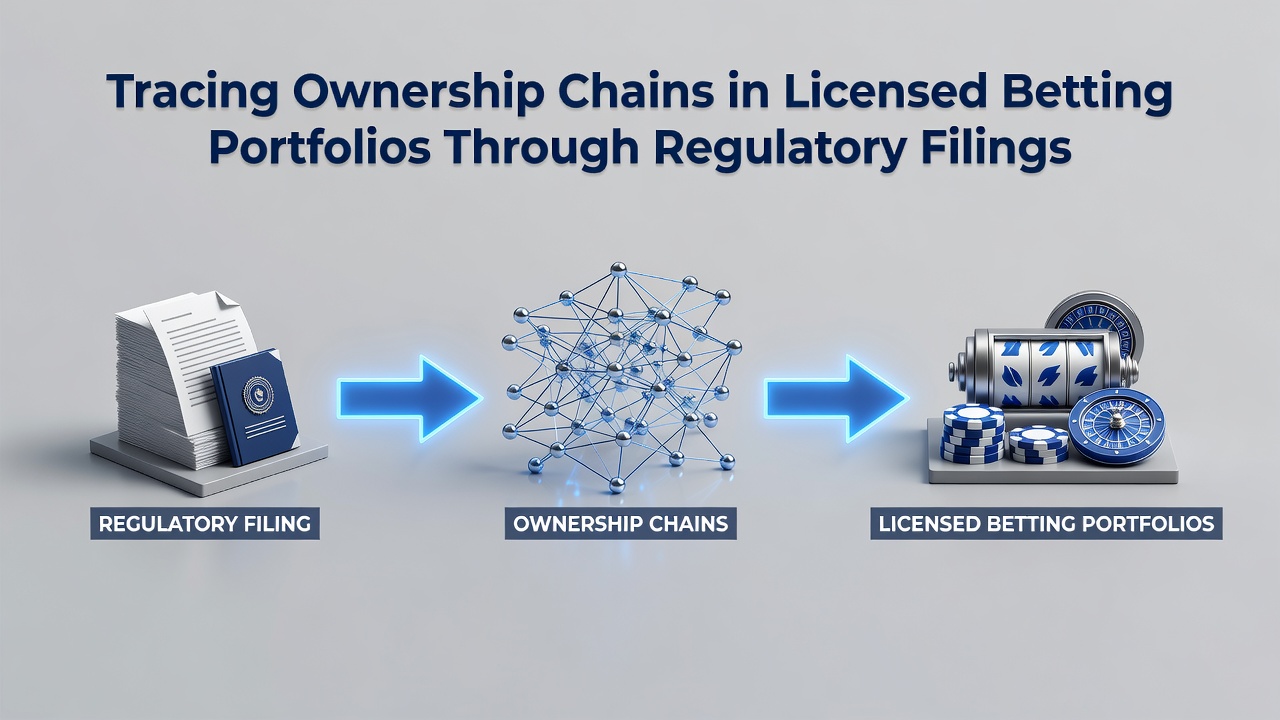
Regulatory filings serve as the primary mechanism for mapping ownership structures across licensed betting operations, and data from multiple jurisdictions shows how these records reveal interconnected corporate layers that stretch across borders. Observers note that companies must submit detailed disclosures to maintain operating permits, which creates a documented trail of parent entities, subsidiaries, and beneficial owners that regulators and analysts can follow over time.
Core Elements of Ownership Disclosure Requirements
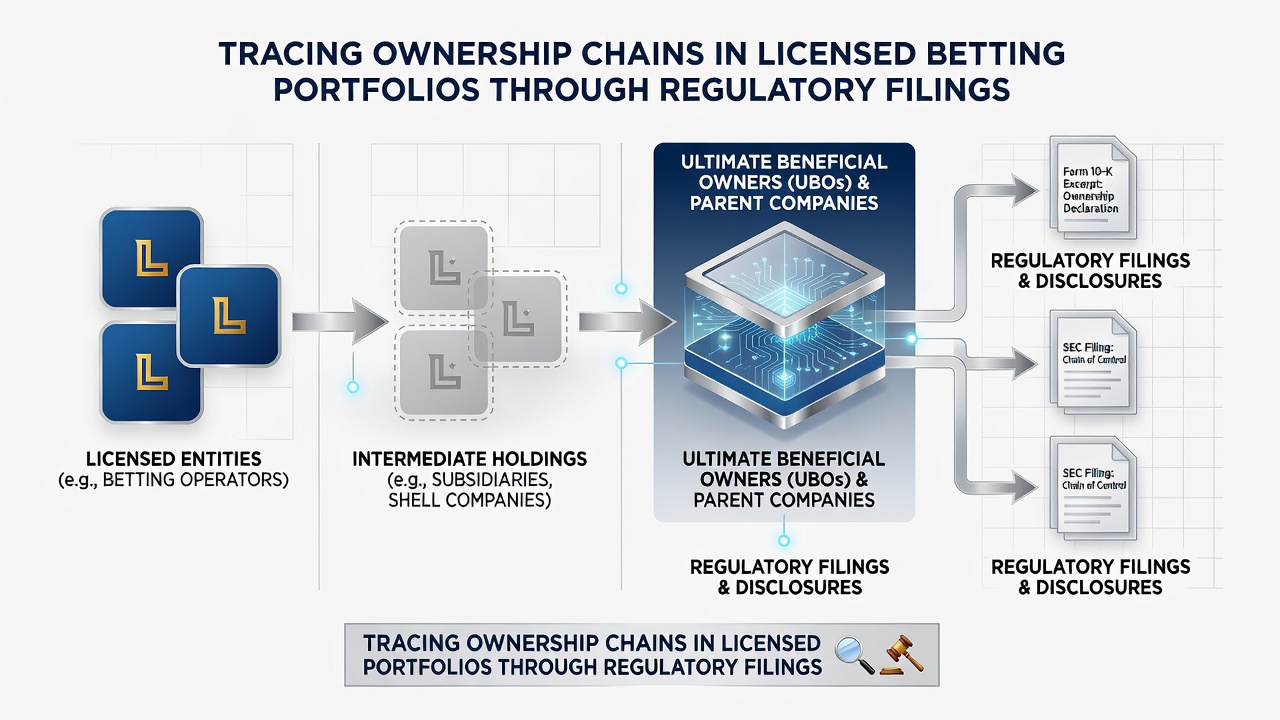
Filings typically require identification of shareholders holding stakes above specified thresholds, along with updates whenever control changes hands through acquisitions or restructurings, and this process generates cumulative records that span multiple reporting periods. In the United States, entities listed on public exchanges file quarterly and annual reports that list major investors and affiliated entities, while similar obligations exist under frameworks managed by bodies such as the Australian Securities and Investments Commission. Those who've examined these documents find that cross-referencing names, registration numbers, and transaction dates allows reconstruction of chains that link a single license holder back to ultimate controllers.
Data indicates that thresholds for disclosure often begin at five percent ownership in many jurisdictions, though some regulators apply lower limits for gambling licenses due to the sector's sensitivity to money laundering risks. Researchers discovered that when a private equity firm acquires a minority position in a betting operator, the filing must include details on the fund's own limited partners if they exceed the threshold, which extends the visible chain further upstream. This layered reporting creates opportunities to identify indirect influence that might not appear in press releases or marketing materials.
Practical Techniques for Following Ownership Trails
Analysts begin by extracting the names of directors and officers from the most recent license renewal application, then match those individuals against prior filings to spot continuity or turnover that signals structural shifts. Next steps involve reviewing any attached exhibits that list subsidiaries or joint ventures, because these schedules frequently reveal holding companies registered in offshore jurisdictions. Cross-checking against corporate registries in those locations adds another dimension, since many filings reference registration numbers that point to separate public records.
One study revealed that combining data from multiple regulators produces clearer pictures than relying on a single source, particularly when portfolios span European and North American markets. For instance, a Canadian provincial gaming authority might require disclosure of all upstream owners, while an overlapping filing with a European counterpart adds details on debt instruments that carry conversion rights. Those who've studied this process observe that timing matters, as updates often arrive within thirty days of a transaction closing, which allows construction of chronological sequences that show how control evolved.
Illustrative Patterns from Recent Records
Records examined in July 2026 showed several betting groups restructuring holdings ahead of anticipated tax adjustments, with filings listing new intermediate companies incorporated in low-tax regions. In one documented case, a European operator transferred its license to a newly formed subsidiary whose parent was itself owned by a listed investment trust, and the sequence appeared across successive submissions to both national and regional authorities. Similar patterns surfaced in filings from Australian states, where disclosure rules captured changes in beneficial ownership after private placements closed during the second quarter.
According to information available through the U.S. Securities and Exchange Commission, public companies operating in the sector must also report material contracts that include side agreements on voting rights, which sometimes surface only in footnotes or exhibits rather than the main body of the document. This detail proves useful when tracing influence that does not equate to outright equity ownership. Academic analyses of these exhibits indicate that such contractual arrangements appear more frequently in multi-jurisdictional portfolios than in single-market operators.
Limitations and Verification Steps
While filings provide structured data, gaps remain when ultimate beneficial owners sit behind trusts or nominee arrangements that regulators permit under certain conditions. Verification often requires follow-up queries to the filing entity or supplemental requests to the licensing body, because initial submissions may list only the immediate parent. Industry reports compiled by research institutions such as the Australian Gambling Research Centre note that incomplete chains become more common when ownership crosses into jurisdictions with stricter privacy rules around corporate registers.
Cross-border differences in filing formats add another layer of complexity, since one regulator may accept narrative descriptions while another demands tabular lists of percentages and voting rights. Observers note that machine-readable formats adopted by some agencies in recent years have improved the speed of analysis, yet older paper-based records still require manual extraction for historical chains. Those who've worked with both formats report that consistent use of unique identifiers such as LEI codes helps stitch records together across systems.
Conclusion
Regulatory filings continue to function as the most reliable public source for mapping ownership in licensed betting portfolios, and the cumulative effect of periodic updates produces detailed histories that reflect both gradual evolution and sudden shifts triggered by transactions. Combining records from multiple authorities yields more complete pictures than isolated submissions, although gaps persist when structures involve layered entities or contractual arrangements. Ongoing adoption of standardized identifiers and digital formats across jurisdictions supports more efficient tracing, while the core requirement to disclose material changes ensures that chains remain traceable through successive reporting cycles.