How Underlying Technology Determines Market Prices for Turnkey Sportsbook Sites
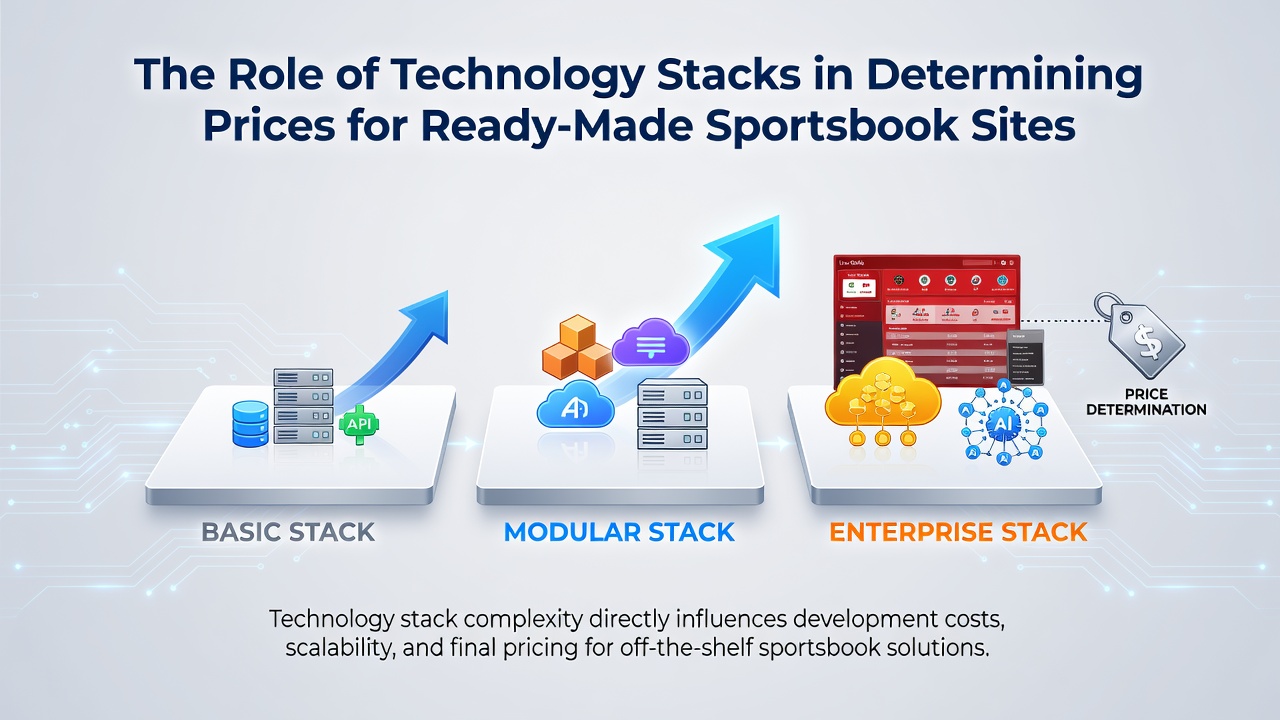
Technology stacks play a central role in setting prices for ready-made sportsbook sites because they determine scalability, compliance capabilities, and ongoing operational costs. Buyers evaluate backend frameworks, database systems, and integration layers when assessing platform value, and these elements often account for significant portions of final sale figures. In June 2026 market reports highlighted how platforms built on modern cloud-native architectures commanded premiums compared with legacy systems still running older monolithic codebases.
Core Components That Drive Valuation Differences
Backend languages and runtime environments form one of the primary pricing factors because they affect both performance and future maintenance expenses. Platforms using Node.js or Go typically fetch higher prices than those built on older PHP versions since they support real-time odds updates and handle larger concurrent user volumes without additional hardware investments. Database choices further influence costs because PostgreSQL or MongoDB configurations allow faster query responses and simpler scaling while older MySQL setups require more manual optimization work during peak betting periods.
Frontend frameworks also contribute to price calculations since modern interfaces built with React or Vue.js deliver smoother user experiences and reduce bounce rates during live events. Ready-made sites that include responsive designs and progressive web app features tend to sell at elevated levels because operators avoid separate development costs after acquisition. Integration layers for payment processors, odds providers, and risk management tools add another valuation layer because pre-configured APIs for multiple regions reduce launch timelines and regulatory approval delays.
Security and Compliance Layers in Price Formation
Security implementations within technology stacks directly impact final transaction values since encryption standards, two-factor authentication modules, and intrusion detection systems lower the risk of breaches that could trigger regulatory penalties. Platforms incorporating automated compliance checks for varying jurisdictional requirements often achieve stronger pricing because buyers avoid post-purchase customization expenses. Data from industry analyses indicate that sites with built-in audit trails and logging mechanisms command measurable premiums over those requiring manual compliance retrofits.
Scalability Architecture and Market Demand Patterns
Cloud deployment options versus on-premises hosting create clear price distinctions because operators prefer solutions that scale automatically during major sporting events without downtime. Kubernetes-orchestrated environments allow dynamic resource allocation and therefore support higher traffic spikes, which increases buyer willingness to pay elevated amounts. Observers note that platforms already configured for multi-region deployment and CDN integration sell more quickly and at higher figures because they minimize geographic expansion costs for new owners.

One acquisition case involved a European operator purchasing a North American-focused sportsbook platform that featured containerized microservices and automated failover capabilities, and the final price reflected the reduced infrastructure investment required after transfer. Similar patterns appear when platforms include pre-built connections to popular odds feeds and risk engines because these connections eliminate months of custom development work.
Maintenance Costs and Long-Term Value Calculations
Buyers calculate total cost of ownership by examining update frequency requirements, dependency management, and technical debt levels within each stack. Platforms with clean, well-documented codebases and active dependency updates typically receive higher valuations because they lower future engineering hours. Research from the Australian Gambling Research Centre shows that sites carrying accumulated technical debt sell at discounts ranging from fifteen to thirty percent compared with well-maintained equivalents. Licensing terms attached to certain technology components also affect net value because proprietary modules may carry ongoing royalty obligations that reduce buyer returns over time.
Additional factors include the presence of automated testing suites and continuous integration pipelines that accelerate future feature rollouts. These elements shorten time-to-market for new betting markets and therefore contribute to stronger pricing outcomes in competitive acquisition scenarios. Data released in mid-2026 indicated that platforms lacking such automation sold more slowly and required price concessions to close transactions.
Conclusion
Technology stack composition remains a decisive element in pricing ready-made sportsbook sites because it shapes both immediate functionality and long-term operational efficiency. Buyers continue to examine backend frameworks, security implementations, scalability features, and integration layers when determining final offers. As the market evolves through 2026 and beyond, platforms demonstrating modern architecture and reduced technical overhead consistently achieve stronger transaction values while those carrying legacy constraints face measurable discounts during negotiations.