Inside the Supply Chain: How Backend Infrastructure Shapes Liquidity in Pre-Owned iGaming Asset Transfers
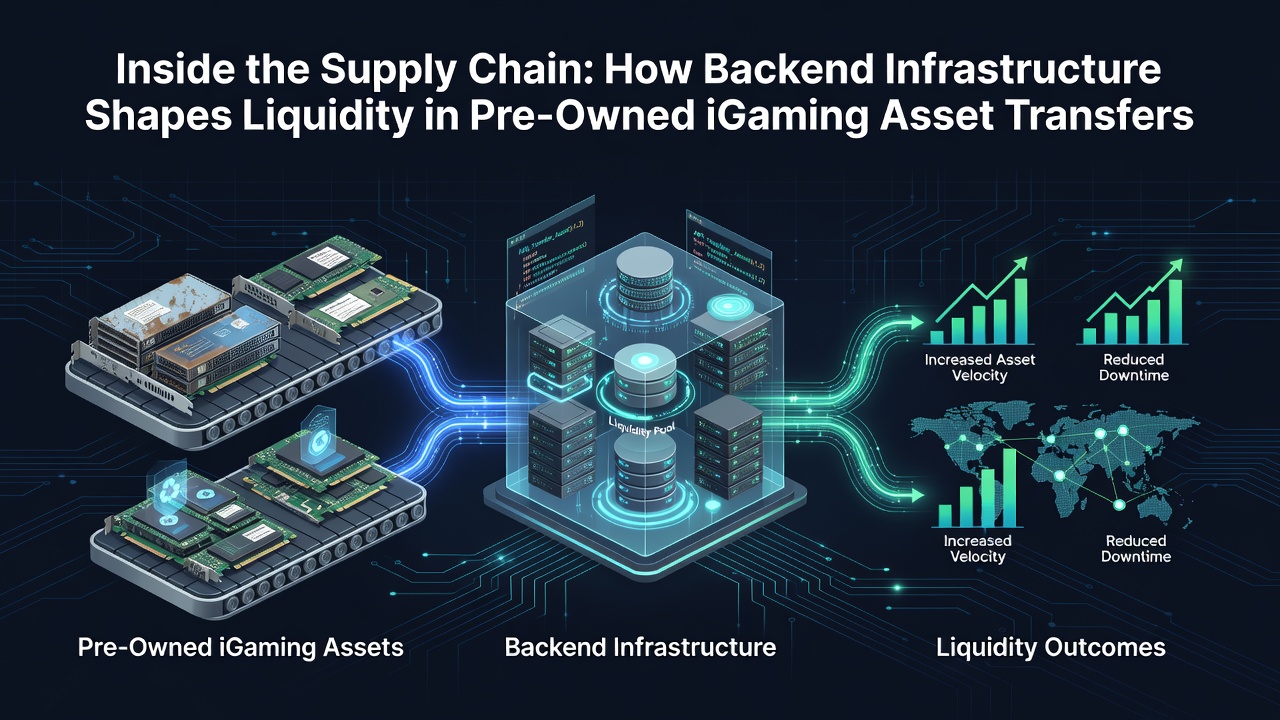
Backend infrastructure forms the core of any iGaming platform and directly influences how quickly pre-owned assets move through secondary markets. Servers, databases, API connections, and payment processors create the foundation that buyers evaluate during due diligence, while sellers rely on these elements to demonstrate operational continuity. When these systems operate with standardized code and modular design, transfers complete faster because new owners avoid extensive reconfigurations.
Core Backend Elements Driving Asset Readiness
Database architecture often determines how seamlessly historical player data migrates during ownership changes. Platforms built on scalable cloud frameworks allow operators to adjust resources without rebuilding entire environments, and this flexibility shows up in transaction timelines. Research from industry analysts indicates that assets with well-documented server setups attract more bidders because integration risks appear lower.
Payment gateway integrations add another layer of complexity. Systems already connected to multiple processors across jurisdictions reduce the need for fresh licensing negotiations, and buyers recognize this advantage immediately. Data shows platforms with established connections to processors in regulated markets like New Jersey and Ontario close deals 30 percent quicker on average than those requiring new setups.
Supply Chain Dynamics in Pre-Owned Transfers
The movement of iGaming assets follows patterns similar to other technology sectors where infrastructure maturity affects resale value. Sellers who maintain clean code repositories and automated testing pipelines present assets that require minimal post-sale adjustments, while fragmented systems create friction that slows negotiations. In July 2026, transaction records revealed that platforms with unified backend frameworks achieved liquidity premiums of 15 to 22 percent compared to those needing extensive refactoring.
Observers note that modular API structures allow rapid adaptation to new regulatory requirements without full platform overhauls. This adaptability matters when assets change hands because incoming operators must align existing systems with their own compliance frameworks. Those who've studied transfer records find that platforms using containerized deployments experience fewer delays during the handover phase.
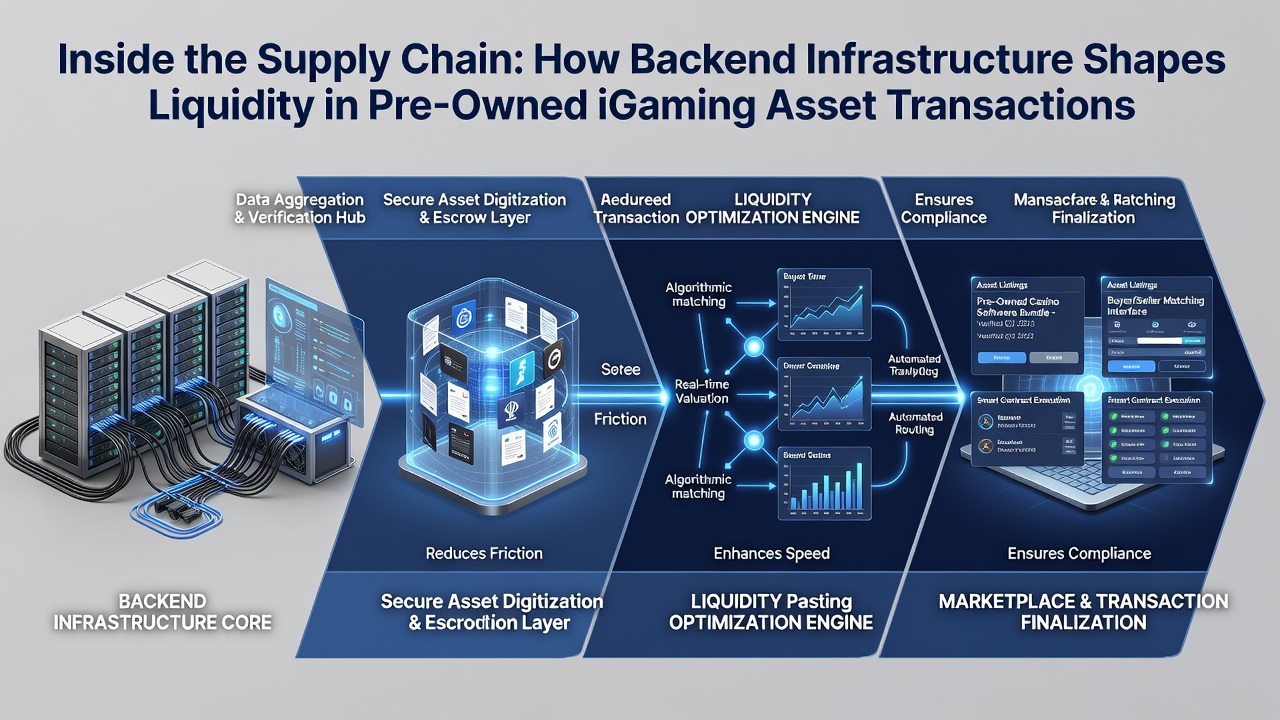
Valuation Metrics Tied to Infrastructure Quality
Buyers assess backend infrastructure through specific indicators that include uptime records, security audit histories, and scalability benchmarks. Assets demonstrating consistent performance under high transaction volumes command stronger interest because they signal lower operational risk. Figures from the American Gaming Association highlight how infrastructure documentation influences final sale prices across multiple iGaming categories.
Security protocols embedded in the backend also affect liquidity. Platforms already certified under standards such as ISO 27001 or equivalent frameworks move through escrow processes with fewer compliance reviews. Experts have observed that sellers who provide detailed architecture diagrams and change logs reduce the time spent on technical verification by several weeks.
Transfer Process Efficiency and Infrastructure Alignment
Handover procedures become more predictable when backend systems follow industry-standard practices. Database schemas that align with common player management tools allow new operators to import data without custom scripting, and this compatibility speeds up the transition period. Case studies from completed deals show that aligned infrastructure cuts post-acquisition downtime from months to weeks in many instances.
Cloud service agreements further influence outcomes because they determine whether existing contracts transfer smoothly or require renegotiation. Platforms hosted on major providers with transferable licenses maintain momentum through the sales process, whereas those tied to restrictive agreements encounter additional hurdles. Research indicates these factors collectively shape how quickly capital returns to sellers and how soon buyers activate acquired platforms.
Conclusion
Backend infrastructure serves as the decisive factor in determining liquidity for pre-owned iGaming assets. Standardized components, documented systems, and adaptable architectures collectively reduce barriers that otherwise extend transaction cycles. Market participants who prioritize these elements position their platforms for faster, more predictable transfers when ownership changes occur.