Mobile-First Design Trends Transforming Cross-Border Sportsbook Domain Transfers
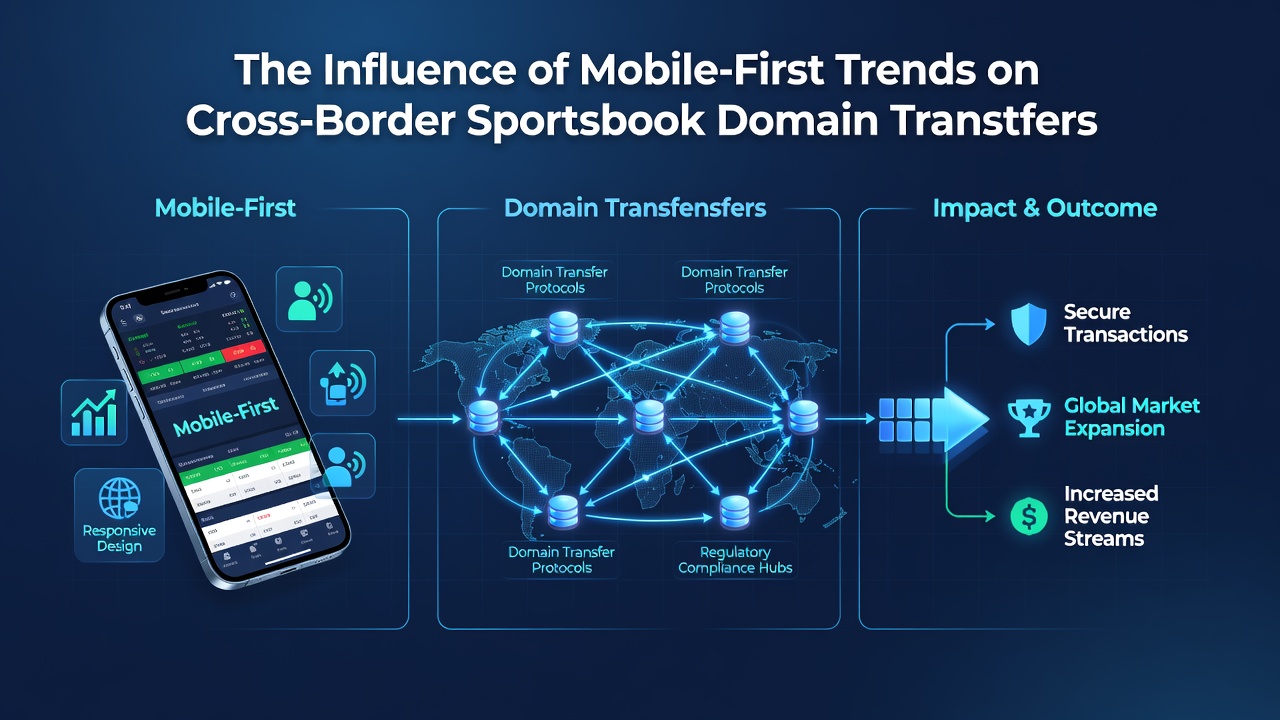
Data from multiple regions indicates that mobile devices now account for over 70 percent of sports betting activity in key markets, which has directly influenced how operators approach domain acquisitions and transfers across borders. This shift means domains that support fast loading times, responsive design, and seamless app-like experiences command higher prices during international sales because buyers prioritize mobile compatibility from the outset.
Understanding Mobile-First Requirements in Domain Selection
Operators evaluate domains not only for brand recognition but also for technical attributes that align with mobile performance standards, such as short character lengths and simple spellings that reduce typing errors on small screens. Those who've studied transfer patterns note that domains ending in .com or country-specific extensions like .ca and .au often see increased demand because they facilitate easier access in multiple jurisdictions without redirect complications. Research indicates that mobile users abandon sites more quickly when pages take over three seconds to load, prompting buyers to favor domains with established histories of clean technical setups that support accelerated mobile pages.
Cross-Border Regulatory Influences on Transfers
Regulatory frameworks in places like Canada and Australia require operators to maintain domains that comply with local content rules while allowing global traffic routing, which adds layers to transfer negotiations. In June 2026, updates from gaming authorities in these regions highlighted the need for domains that can integrate geo-fencing tools without performance loss on mobile networks. Buyers therefore seek domains already configured for such tools, as retrofitting older domains increases costs and delays market entry. This reality pushes sellers to document mobile optimization metrics during the sales process to attract international bidders who operate across multiple licensing regimes.
Valuation Metrics Shaped by Mobile Trends
Valuations for sportsbook domains now incorporate mobile traffic analytics as a core component, with platforms showing high mobile conversion rates fetching premiums of 20 to 40 percent over desktop-heavy alternatives. Observers note that domains tied to established affiliate networks perform particularly well in transfers because they bring pre-existing mobile user bases that reduce customer acquisition expenses. Figures from industry reports reveal that cross-border deals frequently involve escrow arrangements that verify mobile performance data before completion, ensuring the domain meets standards set by payment processors who prioritize mobile-friendly environments.
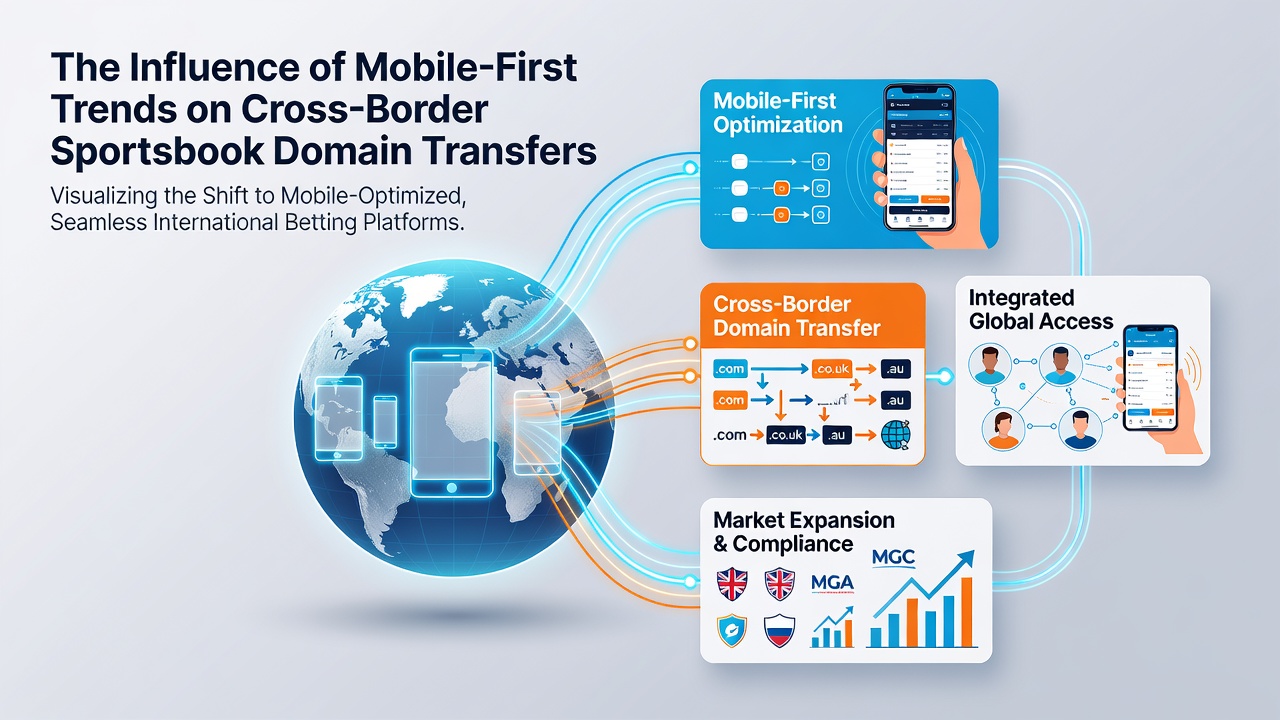
Take one case where experts found a European domain transferred to an Asian operator group, with the sale price reflecting verified mobile session durations exceeding industry averages. Such examples demonstrate how mobile-first attributes serve as tangible assets during negotiations, often outweighing traditional factors like exact-match keywords.
Technical and Market Dynamics at Play
Domain transfers succeed when sellers provide records of mobile responsiveness testing across devices and carriers, because buyers in new markets need assurance that the asset will function under varying network conditions. Data shows that domains with histories of high mobile engagement attract interest from private equity groups entering the sector, who view these properties as scalable foundations for regional expansion. Yet the process involves coordination with registrars who enforce rules on ownership changes, which can extend timelines when multiple jurisdictions are involved.
What's interesting is that shorter domains tend to dominate transfer activity because they display cleanly in mobile browsers and reduce the risk of truncation in app integrations. Researchers discovered that operators who acquire such domains report faster time-to-market for new sportsbook launches, particularly when entering markets with strict mobile advertising guidelines.
Conclusion
The interplay between mobile-first trends and cross-border sportsbook domain transfers continues to evolve as technical standards advance and regulatory landscapes shift. Buyers and sellers alike rely on documented mobile performance data to guide decisions, which has standardized certain practices across international deals. As mobile usage grows, domains that deliver strong user experiences on handheld devices maintain their position as valuable assets in an interconnected market.