Navigating iGaming Exits: The Roadmap from Turnkey Casino Pitch to Profitable Close
Navigating iGaming Exits: The Roadmap from Turnkey Casino Pitch to Profitable Close
Setting the Stage: Why Turnkey Casino Sales Matter in Today's iGaming Landscape
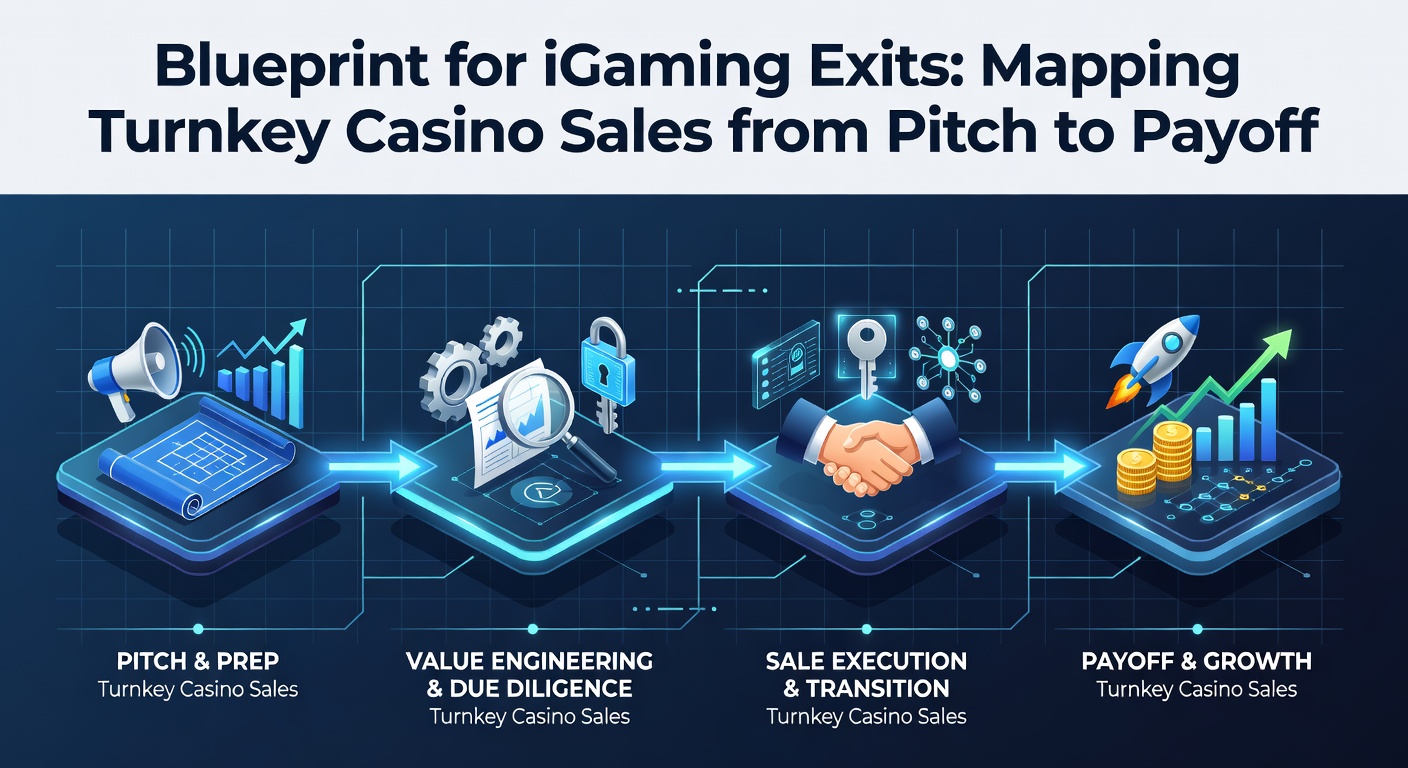
Turnkey casino platforms have surged in popularity among operators seeking ready-to-launch solutions, and now, as of early 2026, data from industry trackers like EGR Global reveals a booming market for their resale; figures show transactions hitting record highs, with average sale prices climbing 25% year-over-year because buyers chase established player bases, compliant tech stacks, and proven revenue streams. Sellers who map out their exit early often secure multiples of 3-5x annual EBITDA, while those who rush the process find deals stalling midway. And here's the thing: the entire journey, from initial pitch to wired payoff, unfolds in structured phases that savvy operators follow religiously.
Experts tracking iGaming mergers note how platforms built on white-label tech—complete with slots, live dealers, and payment gateways—command premium valuations when they hit key benchmarks like 10,000+ active users or monthly gross gaming revenue above €100,000. But preparation starts long before the first buyer email lands; those who've navigated multiple exits emphasize auditing back-end metrics first, ensuring licenses from bodies like the Malta Gaming Authority remain spotless and player data complies with GDPR or equivalent standards across jurisdictions.
Phase One: Prepping Your Turnkey Asset for the Market
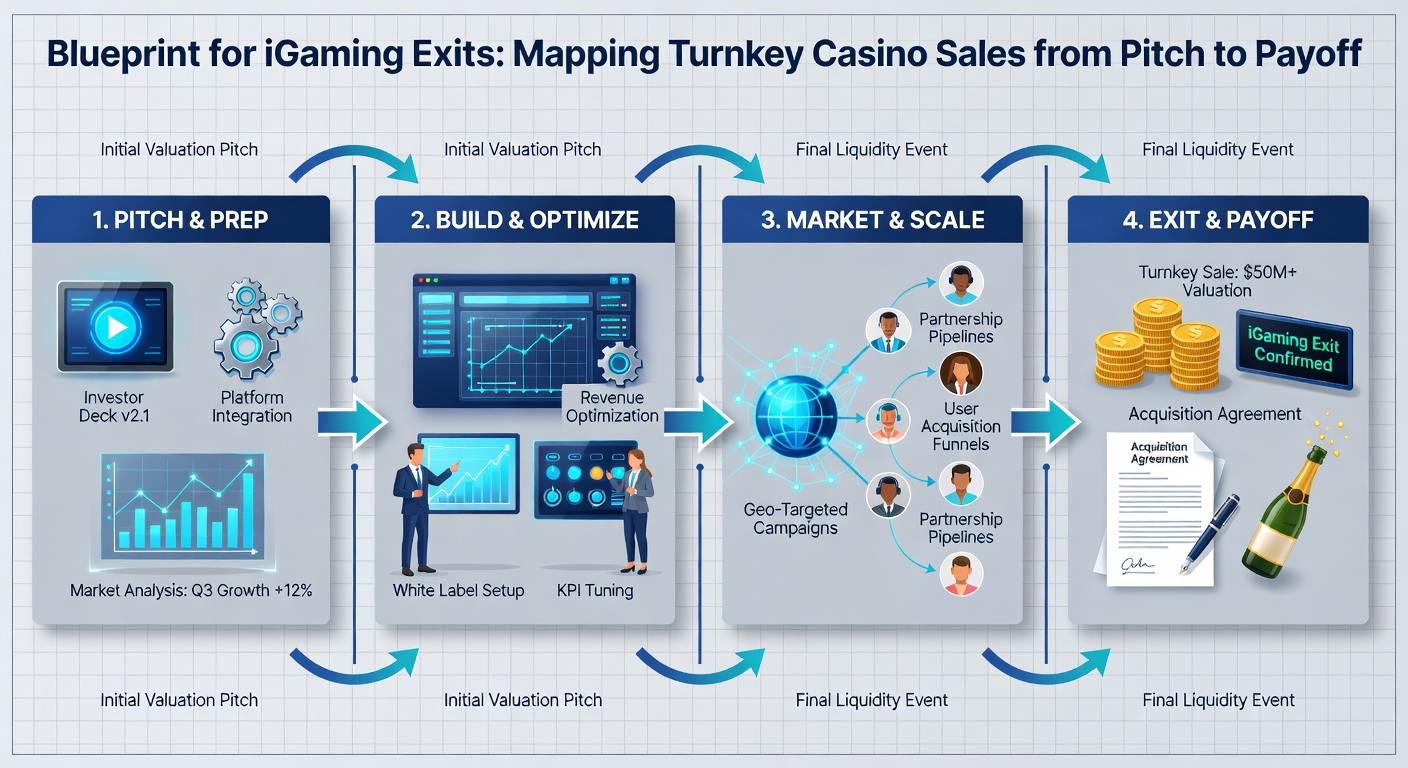
Preparation forms the bedrock of any successful iGaming exit, where operators compile financials, traffic analytics, and operational docs into a polished data room; research from iGaming consultancies indicates platforms with verified third-party audits close 40% faster than those relying on self-reported figures. Sellers typically begin by engaging forensic accountants to dissect six to twelve months of P&L statements, highlighting recurring revenue from VIP programs or affiliate partnerships that boost appeal.
Now, technical due diligence kicks in early—developers stress-test RNG certifications and backend scalability, while marketers bundle SEO rankings, app store metrics, and social proof into teaser decks. One operator in the EU, fresh off a €2.5 million sale in late 2025, shared how migrating to cloud-based servers just before listing shaved weeks off buyer scrutiny because infrastructure proved bulletproof under simulated peak loads. And it doesn't stop there; legal teams scrub affiliate agreements, ensuring no hidden clauses could spook acquirers mid-negotiation.
- Financial audits: Verify EBITDA with tier-one firms.
- Tech stack review: Confirm SSL, API integrations, and mobile responsiveness.
- Compliance check: Align with regional regs like those from Ontario's iGaming sector.
- Player metrics: Anonymize and showcase retention rates above 25%.
Those who skip this phase watch deals evaporate, but prepared sellers turn assets into magnets for private equity groups eyeing portfolio expansions.
Crafting and Delivering the Pitch: Hooking Serious Buyers
With prep complete, the pitch deck emerges as the sales engine; data shows decks under 20 slides, laser-focused on growth trajectories and moats like proprietary jackpots, convert inquiries at twice the rate of verbose tomes. Brokers often lead here, tapping networks from events like ICE London or SBC Summit to match platforms with buyers—think US firms hungry for EU footholds or Asian conglomerates scaling westward.
But here's where it gets interesting: personalized teasers, emailed to 50-100 vetted prospects, tease revenue waterfalls without spilling full KPIs, prompting NDAs within days. One case from 2025 involved a Scandinavian turnkey site with 15% month-over-month growth; its pitch highlighted affiliate inflows from 200+ partners, landing bids from three continents before exclusivity talks even started. Teasers evolve into full IMs (information memorandums) post-NDA, packed with cohort analyses showing LTV:CAC ratios north of 3:1, the kind of stat that gets wallets opening.
Sellers finesse outreach via platforms like LinkedIn or specialized marketplaces, but confidentiality reigns—blind auctions keep competitive tension high without alerting competitors. And as March 2026 approaches, whispers of tighter US state regs push more cross-border pitches, with buyers prioritizing platforms prepped for crypto wallets or AI-driven personalization.
Deep Dive into Due Diligence: The Make-or-Break Scrutiny
Buyers dive deep once hooked, deploying Q&A teams, tech auditors, and even player surveys to validate claims; studies from deal trackers reveal 70% of iGaming DD flags stem from unreconciled payment gateways or lapsed vendor contracts, so sellers anticipate by pre-populating data rooms with API exports. This phase, lasting 4-8 weeks, unfolds in waves—financials first, then tech and legal, with commercial teams grilling on churn drivers.
Turns out, platforms with clean cap tables and no litigation shadows breeze through, often seeing bid prices hold firm; one Eastern European seller dodged a 20% haircut by disclosing a minor geo-block issue upfront, turning potential red flag into rapport-builder. Auditors probe ad spend ROIs, fraud detection efficacy (aim for under 1% chargebacks), and scalability—can the stack handle 10x traffic post-acquisition? Reg compliance shines here too, especially with jurisdictions like New Jersey's Division of Gaming Enforcement demanding ironclad KYC trails.
Yet hiccups happen; delayed player data migrations or unverified promo budgets prompt extensions, but brokers mediate, keeping momentum alive through weekly check-ins and supplemental docs.
Negotiation and Closing: Sealing the Payoff
LOIs (letters of intent) mark the pivot to deal-making, where heads of terms outline price, earn-outs, and reps/warranties; figures indicate 60% of turnkey sales feature hybrid structures—say, 70% upfront cash plus 30% tied to 12-month performance hurdles—balancing seller liquidity with buyer risk. Lawyers hash earn-out triggers, like hitting €500k monthly GGR, while tax advisors optimize for capital gains treatment across borders.
So the rubber meets the road in final SPA (sale and purchase agreement) drafts; pushback on indemnity caps or non-competes tests resolve, but data from closed deals shows concessions under 10% of headline value rarely kill momentum. Escrow holds 10-15% during handover—migrating databases, re-pointing domains, training acquirer staff—which wraps in 30-60 days post-close.
Payoff wires hit once conditions satisfy, often with sellers rolling 20% equity into the buyer's holdco for upside kicker. Observers note March 2026's rising M&A activity, fueled by PE dry powder and softening rates, accelerates closes to under 90 days total.
Real-World Exits: Lessons from Recent Turnkey Deals
Case studies illuminate the blueprint; take a 2025 Latvian platform sold for €3.2 million—prepped with blockchain-verified txns, it pitched to 40 buyers, endured two-month DD, and closed with 15% earn-out after negotiation tweaks on retention KPIs. Another, a Canadian-facing site flipping to a US acquirer, leveraged Ontario iGaming license transferability, netting 4.2x EBITDA despite crypto integration complexities.
These exits highlight patterns: early broker involvement lifts multiples by 0.5-1x, while transparent DD slashes timelines; platforms ignoring mobile-first trends or affiliate hygiene see discounts averaging 25%.
Conclusion: Charting Your Own Path to iGaming Payoff
The roadmap from pitch to payoff demands discipline across phases, yet those who follow it consistently unlock outsized returns in a market projected to see $5 billion in turnkey volume by 2027; preparation builds credibility, sharp pitches spark bids, rigorous DD fortifies value, and tight negotiations deliver cash. As iGaming evolves—with AI personalization and Web3 wallets reshaping assets—sellers adapting this blueprint position for wins, turning operational grind into exit triumph.