Regulatory Echoes: How Compliance Updates Reshape Valuations During Poker Platform Transfers
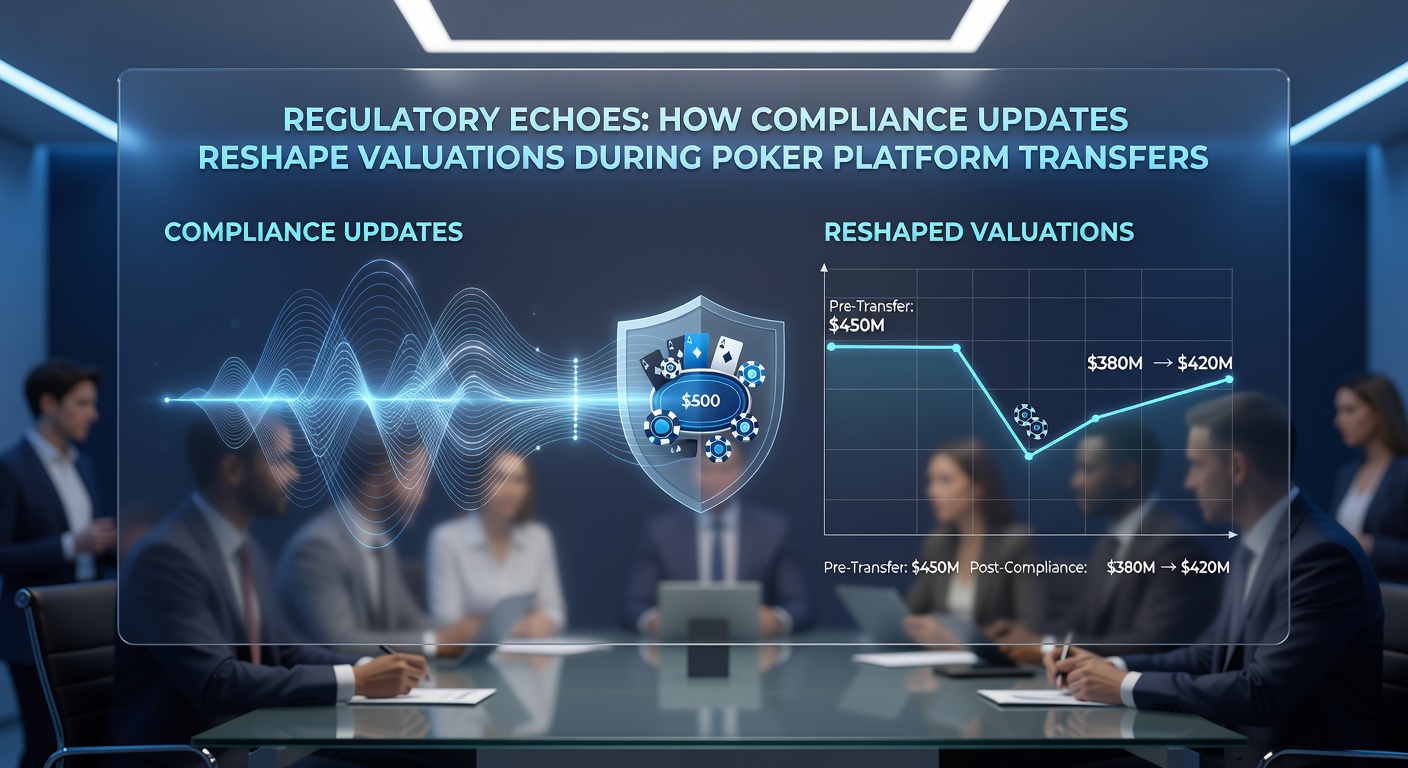
 Regulatory shifts create ripple effects that alter how buyers and sellers approach poker platform transfers, and those changes show up directly in final sale prices. Compliance frameworks evolve across jurisdictions, which forces platforms to adapt their operations while valuations adjust to reflect new cost structures and risk profiles. Observers note that platforms carrying clean compliance records command higher multiples during transfers, whereas those with pending issues face discounts that can reach double digits.
Compliance Layers and Their Direct Impact on Deal Pricing
Updates to anti-money laundering protocols and know-your-customer requirements add layers of operational overhead that buyers factor into every offer. When a platform undergoes transfer, due diligence teams examine audit histories and remediation timelines because unresolved gaps translate into immediate post-acquisition expenses. Data from recent transactions indicate that platforms already aligned with the latest standards close at premiums of 15 to 25 percent compared with those requiring retrofits.
Yet the picture grows more nuanced once regional differences enter the equation. A platform licensed in one market may suddenly confront stricter player protection rules in another, and those mismatches surface during cross-border transfers. Buyers discount valuations when they anticipate licensing extensions or system upgrades, and sellers respond by investing in pre-sale compliance audits to stabilize numbers.
Case Patterns Emerging in Mid-2026 Transfers
By June 2026 several large poker network sales revealed consistent valuation adjustments tied to upcoming responsible gaming mandates. Platforms that had already integrated real-time spending limit tools and self-exclusion synchronization retained stronger buyer interest, while those still relying on manual processes saw offers revised downward mid-negotiation. Researchers tracking these deals found that compliance readiness now ranks alongside traffic metrics when determining enterprise value.
Take one documented transfer involving a European-facing network where new data-privacy rules required encryption upgrades across all user databases. The seller completed the work ahead of the June deadline, and the final price reflected a smaller discount than initially projected. In contrast, a similar North American platform still addressing legacy data-handling practices experienced a 12 percent reduction after the buyer modeled remediation costs over 18 months.
Valuation Models Incorporating Regulatory Risk
Traditional multiples based on revenue or active players now sit alongside risk-adjusted scores that penalize or reward compliance posture. Investment analysts apply scenario modeling that projects future regulatory tightening, and those projections feed directly into earn-out structures and holdback provisions. A platform with automated reporting capabilities aligned to multiple jurisdictions typically secures more favorable payment terms because the risk of future penalties appears lower.
Industry reports from the American Gaming Association highlight how platforms operating under multi-state compacts must maintain parallel compliance stacks, and this complexity surfaces most clearly during ownership changes. American Gaming Association figures show that transfer activity involving platforms with unified compliance architectures increased steadily through 2025 and into 2026. Meanwhile, research published by the University of Nevada, Reno gaming studies program demonstrates that platforms with documented violation histories trade at measurably lower EBITDA multiples even after corrective actions receive regulatory sign-off.
Due Diligence Focus Areas During Transfers
Legal teams now allocate larger portions of the diligence budget to compliance verification, and that shift changes how quickly deals progress. Auditors examine incident logs, third-party vendor contracts, and employee training records because each element influences the likelihood of future enforcement actions. Platforms that maintain searchable digital archives of compliance activity close faster and with fewer price adjustments than those relying on fragmented paper trails.
What's interesting is how insurance products have begun to bridge some valuation gaps. Specialized policies covering regulatory fines and remediation costs appear more frequently in transfer agreements, allowing sellers to protect headline prices while buyers gain protection against unforeseen liabilities. These products remain most common in deals involving platforms with recent compliance updates rather than long-established records.
Conclusion
Regulatory updates continue to influence poker platform valuations by altering both upfront costs and ongoing operational requirements. Transfers now routinely incorporate detailed compliance roadmaps, and those documents affect everything from initial offers to final earn-out calculations. As jurisdictions refine their frameworks through 2026 and beyond, platforms that demonstrate proactive alignment maintain stronger positions in the market while others face ongoing discounts tied to remediation needs. The pattern shows that compliance history has become a core valuation driver alongside traditional performance metrics.