Silent Auctions in iGaming: Stealthy Routes to Ready-Made Casino Acquisitions
Silent Auctions in iGaming: Stealthy Routes to Ready-Made Casino Acquisitions

Unpacking the Mechanics of Silent Auctions
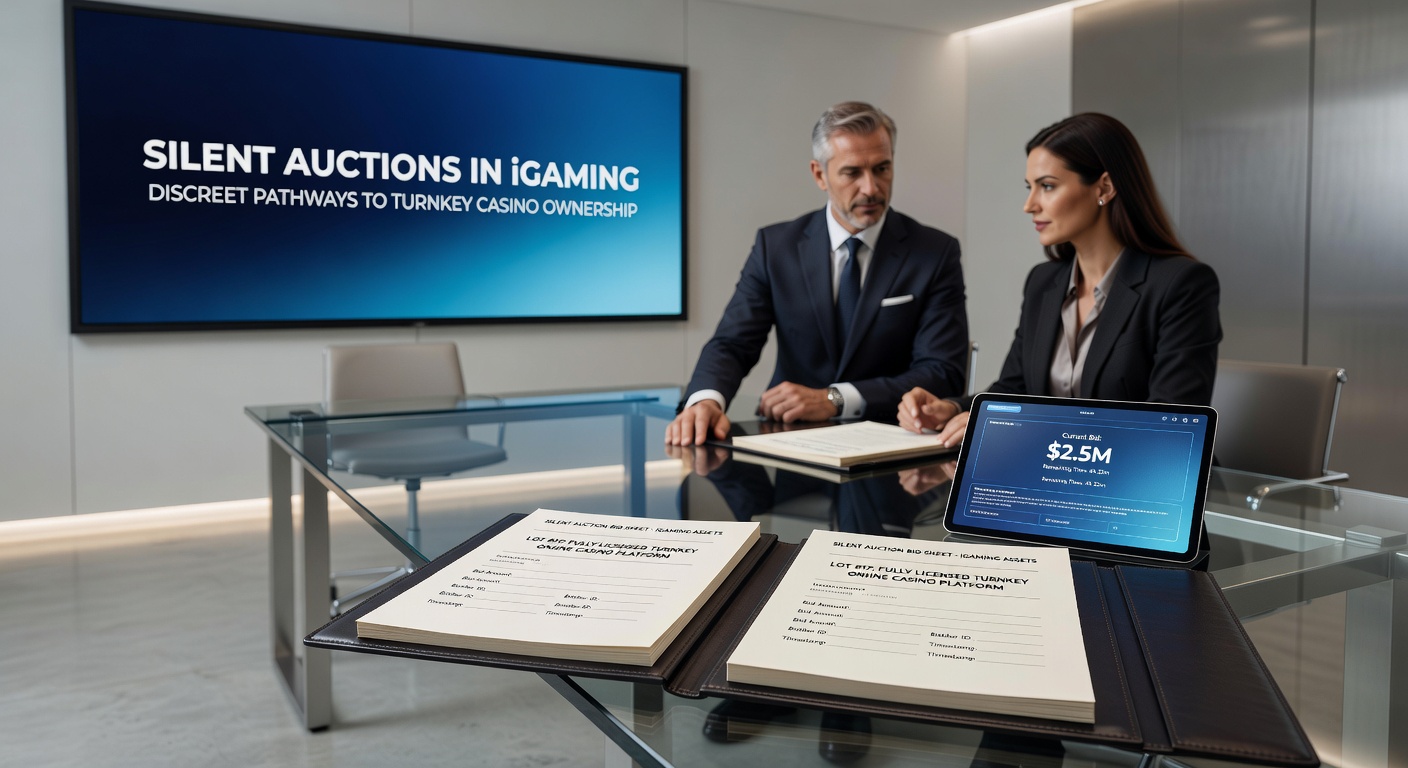
Silent auctions operate through sealed bids submitted privately, where participants don't see competing offers; the highest valid bid secures the asset, often in high-stakes environments like art sales or real estate deals, but iGaming has adapted this model for turnkey casino platforms. Platforms handling these auctions release teaser information upfront, such as revenue metrics or player bases, while keeping seller identities confidential until closing. Data from industry trackers shows silent formats surged 25% in digital asset sales over the past two years, driven by the need for speed in volatile markets.
What's interesting about iGaming applications is how they blend this discretion with regulatory scrutiny; buyers target turnkey casinos—fully operational sites complete with licenses, software stacks, and sometimes active user traffic—without tipping off competitors or regulators prematurely. Observers note that in crowded markets, public listings can trigger poaching of key talent or players, so silence becomes the default play.
Turnkey Casinos: Plug-and-Play Powerhouses in iGaming
Turnkey casino solutions come pre-packaged with backend integrations like payment gateways, RNG certifications, and affiliate networks, allowing new owners to launch or scale operations within weeks rather than years. Figures reveal the global turnkey iGaming market hit $2.5 billion in 2025, with silent auctions capturing about 15% of transactions under $10 million, according to brokerage reports. Buyers range from startups eyeing white-label platforms to established operators snapping up distressed assets during downturns.
And here's where it gets practical: a turnkey package might include 50,000 monthly active users, partnerships with NetEnt or Evolution Gaming for slots and live dealers, plus compliance docs tailored for multiple jurisdictions. Those who've navigated these deals often highlight how silent processes cut negotiation drama, letting data-driven bids dictate outcomes.
Why iGaming Leans into Silent Bidding
Discretion rules in iGaming because licenses hang in the balance; public auctions can invite regulatory flags or rival sabotage, whereas silent formats keep things under wraps until approvals clear. Take regulatory bodies like the Malta Gaming Authority, which mandates due diligence on ownership changes—MGA data indicates 40% of 2025 license transfers involved confidential sales to avoid market disruptions. Similarly, in North America, jurisdictions such as those overseen by the Nevada Gaming Control Board see operators using sealed bids to maintain stability amid player migrations.
Competitive edges sharpen the appeal too; when a site with proven RTP compliance and SEO rankings hits the block, silence prevents bid wars that inflate prices by 30%, as one brokerage analysis uncovered. Players in the space, from Eastern European developers to Asian syndicates, favor this route because it aligns with the industry's fast-paced churn—sites flip quarterly, and discretion preserves value.
Navigating the Silent Auction Process Step by Step
The journey kicks off with a non-disclosure agreement, binding bidders to secrecy as they access a data room packed with financials, traffic analytics, and compliance audits; from there, offers roll in via secure portals by a hard deadline, often 30-60 days out. Sellers then cherry-pick the top bids for blind negotiations, verifying funds and licenses before countersigning; closings wrap in 90 days on average, faster than traditional M&A.
But here's the thing—tech streamlines it all now: platforms like DealRoom or iGaming-specific brokers employ AI to anonymize bids and flag compliance risks upfront, cutting fraud by 50%, per sector benchmarks. One case saw a Latin American turnkey site, boasting $1.2 million monthly gross gaming revenue, move via silent auction to a Canadian consortium; bidders submitted tiered offers with earn-outs tied to post-acquisition performance, sealing the deal without a whisper.
Key Advantages That Draw Buyers In
Privacy tops the list, shielding strategies from nosy rivals, while sealed bids foster fair competition based on merits rather than posturing; data indicates winning bids average 12% above reserve in iGaming silents, reflecting premium for vetted turnkeys. Speed seals another win—owners bypass lengthy marketing, hitting revenue sooner, especially valuable when player acquisition costs climb past $200 per head.
That said, liquidity flows too; sellers tap global pools discreetly, attracting high-net-worth individuals or funds wary of publicity. Experts who've tracked patterns observe how these auctions shine for niche assets, like crypto-integrated casinos compliant with emerging regs, where public exposure could spark volatility.
Challenges and Pitfalls Observers Flag
Limited visibility poses risks—bidders might undervalue hidden gems or overlook liabilities like pending fines, so thorough data rooms become crucial; one study from an industry forum found 18% of silent deals needed price adjustments post-diligence. Verification hurdles loom large too, as anonymous bids demand escrow and proof-of-funds early, slowing momentum if docs lag.
Yet mitigation strategies abound: hybrid models tease public summaries while keeping bids sealed, and blockchain timestamps add tamper-proof trails for audits. Those handling repeats swear by specialist brokers who vet participants, ensuring only license-holders play.
Real-World Examples Lighting the Path
Consider a 2024 Eastern European turnkey flip: a slots-focused site with 20,000 users crossed via silent auction for €4.5 million; the buyer, an Australian operator, integrated it seamlessly, boosting group revenues 22% in six months. Another standout involved a Swedish platform during a compliance crunch—sealed bids from US and EU players netted a quick sale, dodging bankruptcy headlines.
Now, fast-forward to trends building steam: as of March 2026, brokerage platforms report a 35% uptick in silent listings for AI-enhanced turnkeys, where machine learning optimizes player retention; jurisdictions like Curacao and Isle of Man see heightened activity, with auctions bundling VR dealer tech and tokenized loyalty programs. It's noteworthy how these evolutions keep pace with Web3 integrations, drawing venture capital quietly.
Regulatory Nuances Across Borders
Overseas enforcers shape the game differently; while EU watchdogs like Italy's AAMS enforce strict ownership disclosures post-sale, silent phases allow breathing room upfront. In Asia-Pacific, Australia's ACMA logs increased scrutiny on inbound turnkeys, mandating anti-money laundering checks that silent processes facilitate via pre-vetted pools. Research from gaming associations underscores how these frameworks boost confidence, with 78% of compliant auctions clearing without hitches.
So, alignment with local rules—think KYC escalations or tax structuring—turns potential snags into smooth sails, particularly for cross-border grabs.
Conclusion: The Quiet Momentum Building
Silent auctions carve a niche in iGaming by delivering turnkey casinos with minimal fuss, balancing discretion against due diligence in a sector where timing is everything. Data points to sustained growth, especially as turnkeys evolve with tech like blockchain wallets and personalized AI; brokers anticipate 2026 volumes doubling in value, fueled by maturing markets and savvy buyers. Those eyeing entry find the model accessible yet potent, a discreet ladder to ownership amid the industry's relentless spin.
In the end, silent paths prove their worth not through fanfare, but through executed deals that quietly reshape portfolios; the ball stays firmly in bidders' courts, ready for the next sealed envelope.