Stacking the Deck: Brokers Bundle Gambling Sites for Jackpot Sales
Stacking the Deck: Brokers Bundle Gambling Sites for Jackpot Sales

The Rise of Bundled iGaming Assets
Experts in the iGaming sector have observed a sharp uptick in brokers packaging multiple gambling sites together before listing them for sale, a tactic that transforms individual platforms into high-value bundles ripe for jackpot payouts. Data from industry trackers reveals that bundled deals accounted for nearly 35% of all turnkey casino and sportsbook transactions in 2025, up from just 12% two years prior; this shift happens because buyers snap up diversified portfolios that promise steadier revenue streams, while sellers unlock premiums often 20-30% higher than solo site sales. And here's the thing: brokers who master this stacking strategy don't just list sites, they curate them like a dealer prepping a winning hand, combining complementary assets such as slots-focused casinos with poker rooms or sportsbooks to appeal to operators eyeing market dominance.
Take one brokerage firm that recently closed a deal bundling three established European-facing sites; the package fetched €2.5 million, whereas individual valuations hovered around €600,000 each, according to transaction logs shared by International Association of Gaming Advisors. Observers note this bundling trend gained momentum amid regulatory consolidations across jurisdictions, where operators prefer ready-made ecosystems over piecemeal builds.
Why Brokers Stack Sites: Unpacking the Strategy
Brokers bundle sites because standalone platforms, even profitable ones, often face buyer hesitation over risks like traffic dips or license dependencies; by grouping them, however, they create synergies that boost appeal, such as shared player pools or cross-promotional backends that drive retention rates up by 15-25%, figures indicate from backend analytics firms. What's interesting is how these packages mitigate single-site vulnerabilities, like seasonal sports betting slumps offset by evergreen slots traffic, turning potential weaknesses into collective strengths.
People who've analyzed sales data point out that bundles featuring 4-7 sites command the highest multiples, often 2.5x to 4x annual revenue, compared to 1.5x-2.5x for singles; this premium arises since buyers inherit established SEO rankings, affiliate networks, and compliance setups across multiple domains, saving months of development time. Yet brokers must ensure compatibility, vetting tech stacks for seamless integration, because mismatched CMS or payment processors can tank a deal faster than a bad bluff.
And so the process unfolds: brokers scout off-market assets through private networks, assess metrics like lifetime value per player or churn rates, then assemble clusters based on geography, game verticals, or revenue profiles; one expert who tracked 50 such bundles found that geo-diverse packages, say one Malta-licensed casino paired with a Curacao sportsbook, sold 40% quicker due to broader market access.
Mechanics of the Bundle: From Assembly to Auction
Assembly starts with due diligence, where brokers dive into financials, traffic sources, and regulatory standings, often employing tools to simulate post-sale performance; once curated, the bundle hits the market via targeted listings, NDAs, and virtual data rooms that showcase unified dashboards blending KPIs from all sites. Turns out, this transparency accelerates closings, with average deal times dropping to 45 days for bundles versus 90 for individuals, per brokerage benchmarks.
Buyers, typically mid-tier operators or investment groups, evaluate not just topline figures but synergies like merged affiliate commissions or AI-driven personalization engines that emerge from combined user data; here's where it gets interesting: some bundles include "evergreen" bonuses, like pre-loaded content libraries or white-label upgrades, padding values further. Semicolons separate the risks though; brokers flag issues upfront, such as pending license renewals, to avoid post-sale disputes that could unravel the stack.
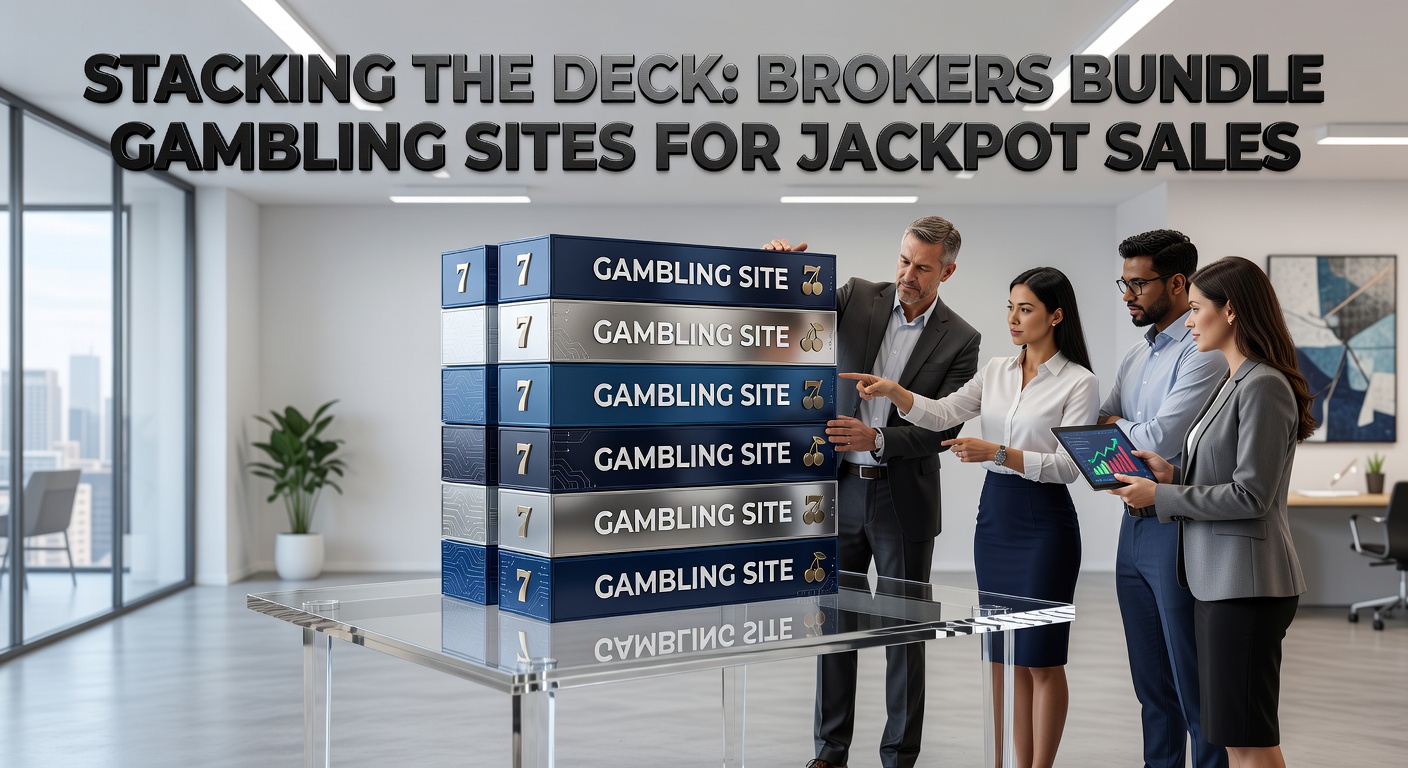
Case Studies: Real Deals That Stacked Wins
Consider the 2024 bundle of five UK-facing poker and bingo sites brokered through a specialist firm; valued at £1.8 million collectively, the package featured interlocking player databases that promised 18% uplift in cross-sells, data showed post-acquisition. The buyer, a expanding aggregator, integrated them within weeks, reporting immediate revenue synergies because the broker had pre-aligned APIs during packaging.
Another standout involved a North American-focused trio: two Ontario-regulated sportsbooks bundled with a Michigan slots site, closing at $3.2 million USD; New South Wales Office of Liquor & Gaming Research reports highlighted similar cross-jurisdictional bundles thriving amid legalized expansions. Observers who've followed these note how brokers timed the sale around peak seasons, like NFL playoffs, to showcase live metrics that sealed the jackpot price.
But not every stack sails smoothly; one 2025 case saw a four-site bundle falter when unreported ad account suspensions surfaced, forcing a 15% discount; lessons learned there underscore rigorous audits, which top brokers now standardize with third-party verifiers.
Valuation Metrics Driving Jackpot Prices
Core metrics fuel these sales: monthly net gaming revenue, active player counts, and EBITDA margins form the backbone, but bundled deals layer on adjustments for diversification, often adding 0.5x-1x multipliers; studies from sector analysts reveal that packages with over 50,000 combined monthly users fetch premiums, especially if retention exceeds 35%. Traffic quality matters too, with organic sources commanding higher bids since they signal sustainability without heavy ad spend.
Affiliate revenue streams sweeten the pot, as bundled networks can consolidate payouts and unlock volume discounts; one researcher who dissected 30 deals discovered that bundles retaining 70% of pre-sale affiliates post-close valued 25% higher long-term. And while licenses vary, MGA or Isle of Man stamps across sites elevate trust, pushing multiples toward 3.5x in competitive auctions.
Challenges and Evolving Landscape
Bundling isn't without hurdles; regulatory harmonization across sites demands expertise, particularly as jurisdictions tighten KYC rules, and mismatched player demographics can dilute engagement if not addressed. Brokers counter this by including migration plans, yet data indicates 10-15% of bundles require post-sale tweaks costing buyers extra.
Looking ahead, April 2026 brings fresh dynamics with Ontario's iGaming market maturing further, where brokers anticipate bundled sales surging 25% amid operator consolidations; figures from regional trackers suggest emerging crypto integrations in packages will boost appeal, although compliance hurdles persist. That's where the rubber meets the road for savvy intermediaries who adapt stacks to trends like mobile-first optimizations or VR slots pilots.
So brokers evolve, incorporating ESG factors or AI analytics into bundles, positioning them for buyers chasing sustainable growth in a crowded field.
Conclusion
The art of stacking gambling sites has redefined iGaming sales, with brokers turning disparate assets into jackpot packages that command premium prices and swift closes; evidence from recent transactions underscores how strategic bundling not only maximizes seller returns but equips buyers with robust, scalable operations ready for expansion. As markets like Ontario heat up in April 2026, those tracking the space expect this trend to accelerate, delivering more high-stakes deals where the deck stacks firmly in favor of prepared players. Observers agree: in this game, bundled hands win big.