Tracing Asset Lifecycles: How Compliance Upgrades Extend the Market Longevity of Established Gambling Affiliate Portfolios
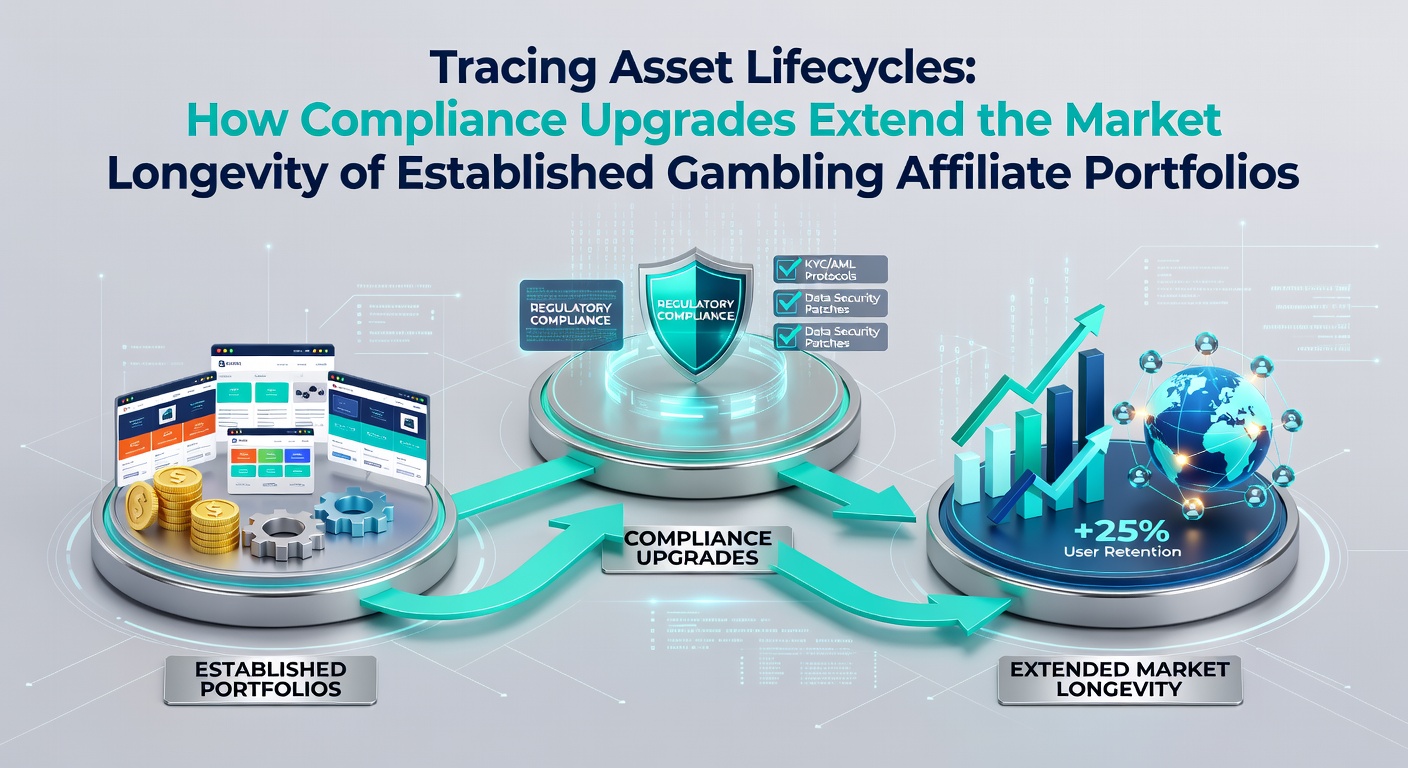
Asset lifecycles in the gambling affiliate sector follow distinct phases from initial launch through active operation and eventual market repositioning, while compliance upgrades serve as key interventions that reset valuation benchmarks and prolong operational viability. Established portfolios accumulate player data, domain authority, and traffic histories over years, yet regulatory shifts demand ongoing adaptations that directly influence resale potential and sustained revenue streams.
Mapping the Lifecycle Stages of Gambling Affiliate Assets
Portfolios typically progress through acquisition, optimization, maturation, and divestiture phases, with each stage carrying measurable metrics such as conversion rates, compliance audit results, and traffic quality scores. Data from industry tracking services shows that assets older than five years command premium pricing when accompanied by documented compliance histories, because buyers factor in reduced setup costs and verified operational records. Observers note that early-stage portfolios often require foundational upgrades to meet standards set by bodies including the Alcohol and Gaming Commission of Ontario, whereas mature assets benefit from incremental updates that maintain eligibility across multiple jurisdictions.
Compliance frameworks evolve continuously, and affiliate operators who integrate tools for real-time age verification, transaction monitoring, and responsible gambling prompts position their portfolios for extended market presence. These measures align with requirements from regional authorities and create transferable value when ownership changes hands.
Compliance Upgrades as Lifecycle Extenders
Regular compliance enhancements function as structural reinforcements rather than cosmetic adjustments, because they address emerging mandates around data protection, advertising disclosures, and player fund segregation. Portfolios that underwent system-wide updates in 2025 demonstrated extended active periods averaging eighteen additional months before requiring further major interventions, according to aggregated platform analytics. Such upgrades encompass integration of automated reporting modules that satisfy cross-border data-sharing protocols and adoption of standardized audit trails favored by international buyers.
Those managing long-standing affiliate networks frequently incorporate modular software that accommodates new verification standards without full platform rebuilds, which preserves historical performance data while satisfying current licensing conditions. Research from the University of Nevada, Las Vegas International Gaming Institute indicates that assets with layered compliance records attract broader bidder pools during brokerage events, since acquirers recognize lower regulatory transition risks.
Market Dynamics and Valuation Impacts Through 2026
By May 2026, several jurisdictions are scheduled to implement refined advertising and data-handling rules that will affect how affiliate traffic sources are evaluated during sales. Portfolios already aligned with these forthcoming standards maintain listing momentum, whereas others face discounted offers until upgrades are completed. Industry reports compiled by the European Gaming and Betting Association highlight that compliance-ready assets retain market longevity through diversified traffic channels and documented audit passes, factors that directly correlate with higher closing prices.
Established portfolios gain additional leverage when operators maintain logs of upgrade implementations, because these records demonstrate proactive management that appeals to institutional and private equity participants. The process creates a feedback loop where upgraded compliance supports sustained affiliate partnerships, which in turn generates fresh performance data for subsequent valuation rounds.
Operational Examples and Transfer Patterns
One network that completed a comprehensive compliance overhaul in late 2024 retained its top-tier affiliate agreements through the following year while preparing for a structured sale process. The upgrades included enhanced encryption protocols and revised terms for promotional content, steps that aligned the portfolio with expectations from multiple regulatory environments. Brokers handling similar transfers report that buyers prioritize these documented improvements because they reduce post-acquisition remediation timelines.
Another case involved a mid-sized portfolio whose operators introduced centralized compliance dashboards capable of generating jurisdiction-specific reports on demand. This capability proved instrumental during negotiations, as it allowed prospective owners to assess ongoing viability without extensive due diligence delays. Such adaptations illustrate how targeted upgrades convert potential liabilities into marketable strengths that extend an asset's active trading window.
Conclusion
Tracing asset lifecycles reveals that compliance upgrades operate as pivotal mechanisms for prolonging the market relevance of established gambling affiliate portfolios. These interventions sustain traffic quality, satisfy evolving regulatory conditions, and support smoother ownership transitions when measured against portfolios lacking comparable preparation. Data patterns through 2026 indicate that operators who treat compliance as an integrated lifecycle component achieve extended operational spans and stronger positioning during divestiture events.